

Understanding Collecting: A Complete Guide
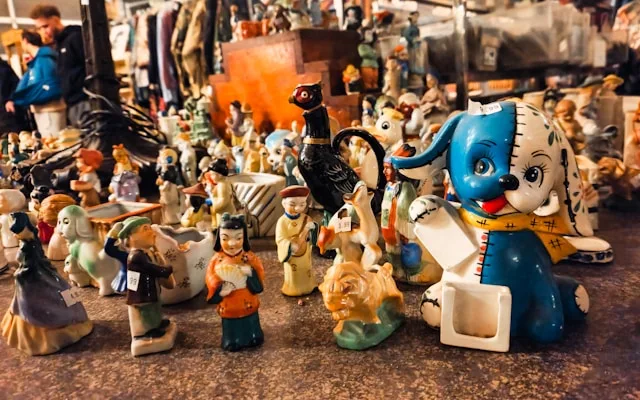
Collecting is the deliberate pursuit and accumulation of specific items based on personal interest, passion, or perceived value. It is a deeply human activity—one that connects you to history, culture, community, and your own identity. Whether you collect stamps, sneakers, vintage toys, art, coins, or anything else, your collection tells a story about what matters to you.
35% of adults actively maintain at least one collection $200B estimated global collectibles market value annually 73% of collectors report their hobby reduces stress and brings joyWhat Collecting Really Is
Collecting is more than accumulating objects. It is about creating order, pursuing knowledge, preserving history, expressing identity, and finding meaning through tangible connections. Collectors become experts in their chosen field. They develop discernment, learn authentication skills, understand market dynamics, and often form communities with fellow enthusiasts.
Your collection represents your values, memories, and aspirations. Some collect for financial investment. Others collect purely for aesthetic pleasure or nostalgia. Many collect because the hunt itself—the search, discovery, and acquisition—brings them joy. Understanding why you collect shapes how you build and maintain your collection, much like understanding your values and purpose shapes your life decisions.
Key InsightCollecting is about intentionality, not accumulation. A collection has focus, curation, and meaning. Hoarding is indiscriminate accumulation without purpose or organization. The difference lies in your relationship with the items and whether they enhance or diminish your life.
Table 1: Collecting vs. Hoarding
| Feature | Collecting | Hoarding |
|---|---|---|
| Purpose | Deliberate, focused pursuit of specific items with clear criteria and meaning. | Compulsive accumulation of items without clear purpose or organization. |
| Organization | Items are organized, displayed, cataloged, and cared for properly. | Items are cluttered, disorganized, and often create living space problems. |
| Emotional Impact | Brings joy, pride, satisfaction, and sense of accomplishment. | Creates anxiety, shame, distress, and difficulty discarding items. |
| Social Aspect | Often shared with others, creates connections, celebrated publicly. | Hidden from others due to embarrassment, causes social isolation. |
Popular Collecting Categories
People collect virtually anything. Some categories have established markets, communities, and authentication systems. Others are personal and unique. Understanding different collecting categories helps you refine your own interests. Like other creative hobbies, collecting allows for personal expression and deep engagement.
Table 2: Major Collecting Categories
| Category | Description |
|---|---|
| Art & Antiques | Paintings, sculptures, furniture, decorative objects. Requires authentication expertise, preservation knowledge, and significant investment. |
| Coins & Currency | Numismatics—collecting coins, paper money, and related items. Rich historical significance, established grading systems, investment potential. |
| Stamps | Philately—one of the oldest collecting hobbies. Accessible entry point, deep historical connections, global community. |
| Books & Manuscripts | First editions, rare books, signed copies, historical documents. Combines literary passion with historical preservation. |
| Trading Cards | Sports cards, Pokémon, Magic: The Gathering, etc. Nostalgia-driven, grading crucial, booming market with speculation. |
| Toys & Action Figures | Vintage toys, limited editions, specific franchises. Condition and original packaging dramatically affect value. |
| Vinyl Records | Music formats experiencing resurgence. Combines audio quality appreciation with album art and music history. |
| Sneakers & Fashion | Limited releases, collaborations, vintage pieces. Modern collecting driven by streetwear culture and resale markets. |
| Memorabilia | Sports, entertainment, historical items. Authenticity verification critical, emotional connection high. |
| Natural History | Fossils, minerals, butterflies, shells. Scientific interest combined with aesthetic beauty. |
Why People Collect
Understanding your motivations for collecting helps you make better decisions about what to pursue, how much to spend, and when your collection is complete. Different motivations lead to different collecting strategies. According to Psychology Today, collecting satisfies deep psychological needs for control, completion, and connection.
Common collecting motivations:
- Nostalgia: Reconnecting with childhood memories and simpler times through objects from your past.
- Investment: Building wealth through items expected to appreciate in value over time.
- Knowledge: Becoming an expert in a specific field through research and hands-on experience.
- Community: Connecting with like-minded enthusiasts who share your passion and interests, similar to making meaningful friendships.
- Completion: The satisfaction of completing sets or achieving comprehensiveness in a category.
- Aesthetic Pleasure: Surrounding yourself with beautiful or meaningful objects that bring daily joy.
- Preservation: Protecting cultural artifacts and historical items for future generations.
- Competition: The thrill of finding rare items, outbidding others, or building the best collection.
Table 3: Collecting Motivations and Strategies
| Primary Motivation | Best Strategy |
|---|---|
| Investment | Focus on condition, rarity, and provenance. Buy established collectibles with track records. Diversify holdings. Treat as serious financial portfolio. |
| Personal Joy | Collect what you love regardless of market value. Display items prominently. Prioritize items that bring daily happiness over investment potential. |
| Historical Preservation | Research provenance thoroughly. Learn proper preservation techniques. Document stories behind items. Consider eventual donation to museums or institutions. |
| Completion | Define scope clearly from the start. Create checklists. Network with dealers and collectors. Accept that some items may remain unattainable. |
Starting and Building Your Collection
Every great collection starts with a single item and a clear direction. Whether you have a modest budget or significant resources, thoughtful strategy matters more than money alone. This requires the same habits and consistency needed for any long-term pursuit.
The Biggest Beginner MistakesBuying too quickly without research. Focusing on quantity over quality. Ignoring condition issues. Paying retail prices without exploring secondary markets. Not setting boundaries on budget and space. Collecting what others say is valuable rather than what genuinely interests you. These mistakes lead to buyer's remorse and collections that never bring satisfaction.
Table 4: Building Your Collection Wisely
| Principle | Why It Matters | How to Apply It |
|---|---|---|
| Focus | Narrow focus creates expertise and meaningful collections. | Choose specific category, era, manufacturer, or theme. Avoid collecting everything in broad category. |
| Research | Knowledge prevents costly mistakes and identifies opportunities. | Read books, join forums, attend shows, study sold auction prices, learn authentication markers. |
| Condition | Condition dramatically affects value and long-term satisfaction. | Buy best condition you can afford. Understand grading systems. Factor restoration costs appropriately. |
| Patience | Impulsive purchases lead to regret and overpaying. | Create want lists. Wait for right items at right prices. Avoid FOMO (fear of missing out) buying. |
| Budget | Collecting should enhance life, not create financial stress. | Set monthly limits. Track spending. Never go into debt for collectibles. Start affordable, upgrade later. |
Caring for Your Collection
Proper storage, handling, and maintenance protect your investment and ensure items remain pristine for years. Different collectible types require specific care approaches. This attention to detail reflects the same mindfulness found in other aspects of self-improvement.
Table 5: Preservation Best Practices by Category
| Collectible Type | Essential Care Requirements |
|---|---|
| Paper Items | Acid-free storage, controlled humidity (30-50%), avoid direct sunlight, handle with clean hands or gloves, use protective sleeves. |
| Coins & Medals | Never clean (reduces value), store in proper holders, avoid touching surfaces, maintain stable temperature, use archival materials only. |
| Textiles & Clothing | Climate control, acid-free tissue paper, avoid plastic bags, periodic inspection for pests, gentle handling, professional cleaning only. |
| Electronics & Technology | Keep original packaging, control humidity to prevent corrosion, periodic operation to maintain function, document modifications. |
| Artwork | UV-protective framing, stable temperature/humidity, avoid extreme light exposure, professional restoration for damage, insurance documentation. |
| Vinyl Records | Vertical storage, inner and outer sleeves, clean before playing, control temperature, keep away from magnetic sources. |
When Collecting Becomes Unhealthy
Like any passion, collecting can become problematic when it creates financial hardship, relationship strain, or consumes disproportionate time and space. Recognizing warning signs helps you maintain healthy boundaries. This is similar to recognizing when any coping mechanism becomes unhealthy.
Warning signs your collecting needs reassessment:
- Financial Strain: Going into debt, hiding purchases from family, or sacrificing necessities to buy collectibles.
- Space Problems: Collection overwhelming living space, creating safety hazards, or preventing normal home use.
- Relationship Conflict: Collecting causing arguments, resentment, or isolation from loved ones, affecting your healthy relationships.
- Emotional Dependence: Using collecting to cope with all negative emotions or as only source of happiness.
- Compulsive Buying: Inability to stop acquiring items even when collection goals are met.
- Loss of Joy: Collecting feels like obligation rather than pleasure; viewing items creates stress instead of happiness.
- Neglecting Responsibilities: Missing work, appointments, or important events to pursue collecting activities.
Your Path to Meaningful Collecting
A meaningful collection reflects your authentic interests, respects your resources, and enhances your life. It grows intentionally over time, bringing sustained satisfaction rather than fleeting excitement. This approach mirrors the principles of growth mindset—focusing on process and learning rather than just outcomes.
The 7-Step Plan for Intentional Collecting
-
Define Your Focus
Choose a specific, manageable collecting area. Resist the temptation to collect everything. Depth beats breadth.
-
Set Clear Boundaries
Establish budget limits, space limits, and completion criteria before you start. Boundaries prevent collections from controlling you.
-
Research Before Buying
Learn authentication, grading, pricing, and market trends. Knowledge protects you from overpaying and buying fakes.
-
Buy Quality Over Quantity
One exceptional item brings more satisfaction than ten mediocre ones. Be patient for the right pieces.
-
Document Your Collection
Photograph items, record purchase details, track provenance. Documentation protects insurance claims and aids future sales.
-
Connect with Community
Join collector groups, attend shows, share your passion. Community enhances enjoyment and provides learning opportunities, much like maintaining healthy friendships.
-
Enjoy the Journey
Display your items, study them, share them with others. Collections exist to be enjoyed, not hidden away.
Audit Your Current Collection. Look at each item and ask: Does this bring me joy? Does it fit my focus? Would I buy it again today? Items that no longer serve your collection's purpose should be sold or donated to make room for pieces that matter more.
Frequently Asked Questions
How do I know if something will increase in value?
No one can predict future values with certainty. Items that appreciate typically combine rarity, condition, cultural significance, and sustained demand. Never collect solely for investment unless you are treating it as speculative business. Collect what you love—if it appreciates, that is a bonus.
Should I get my collectibles professionally graded?
For high-value items (coins, cards, comics), professional grading protects against fakes, establishes condition objectively, and can increase resale value. For personal collections with no sale plans, grading is optional. Weigh grading costs against potential value increase.
How do I authenticate collectibles and avoid fakes?
Learn category-specific authentication markers. Buy from reputable dealers with return policies. Request certificates of authenticity for high-value items. Join collector communities to learn common fakes. When in doubt, pay for expert authentication before purchasing expensive items.
When should I sell items from my collection?
Sell when items no longer fit your collection focus, when you need to fund upgrades to better pieces, when you need the money for more important priorities, or when the market presents exceptional selling opportunities. Never sell during emotional distress—wait for clear-headed decisions.
How do I start collecting with a limited budget?
Start with affordable categories or lower-grade examples of expensive categories. Focus on learning rather than acquiring. Attend estate sales, thrift stores, and online marketplaces. Trade with other collectors. Many valuable collections began with small budgets and patience.
What should I do with my collection eventually?
Plan ahead: document everything, discuss wishes with family, consider selling during your lifetime to ensure fair prices, donate to museums for tax benefits and preservation, or designate a knowledgeable person to handle estate sales. Do not burden heirs with collections they do not understand or value.
Remember: The best collections are built slowly, with intention, knowledge, and passion. Your collection should bring joy, not stress. Collect what you love, not what others say you should.
Talk about collecting — with someone who gets it
Get matched one-to-one with a real person who chose the same topic. Free, anonymous, any time.
Keep reading: How to make online friends that actually stick.