
Understanding Creative Hobbies: A Complete Guide
Creative hobbies are not frivolous distractions—they are essential practices that restore your mental health, develop skills, and reconnect you with joy. Creativity is not reserved for artists; it is a fundamental human need. When you engage in creative activities, you tap into flow states, reduce stress, and discover parts of yourself that work and obligations often suppress.
75% of people feel more relaxed and less stressed when engaging in creative activities 45min Daily creative time significantly reduces cortisol levels 73% of people report improved problem-solving skills from creative hobbiesWhat Creative Hobbies Really Are
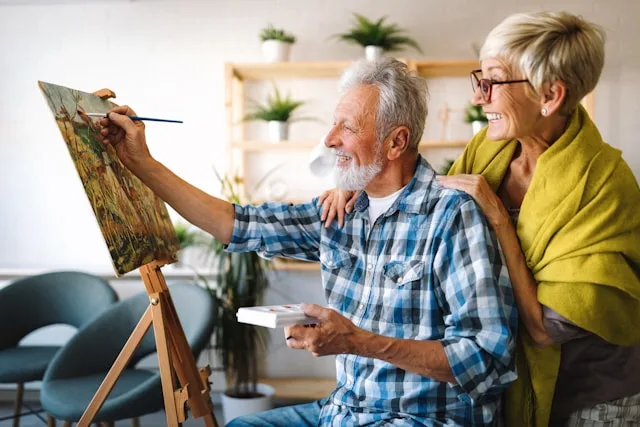
Creative hobbies are activities you pursue for the joy of creation itself—not for external validation, productivity, or profit. They engage your imagination, require active participation, and result in something tangible or experiential. Creative hobbies include art, music, writing, cooking, gardening, crafts, photography, dance, and countless other expressions of human creativity.
The value of creative hobbies is not in the outcome but in the process. When you create, you enter a state of flow where time disappears, worries fade, and you become fully present. This state is deeply restorative and provides a counterbalance to the productivity-driven demands of modern life. Creativity reconnects you with playfulness, curiosity, and the pleasure of doing something just because you want to.
Key InsightYou do not need to be "good" at something to enjoy it creatively. The pressure to monetize or perfect every hobby kills the joy. Creative hobbies exist for pleasure, exploration, and self-expression—not performance or profit. Give yourself permission to be a beginner, to make mistakes, and to create purely for yourself.
Table 1: Creative Hobbies vs. Passive Entertainment
| Feature | Creative Hobbies | Passive Entertainment |
|---|---|---|
| Engagement | Active participation; requires focus and skill development. | Passive consumption; requires minimal mental effort. |
| Mental Impact | Stimulates brain activity, creativity, and problem-solving skills. | Provides relaxation but limited cognitive stimulation. |
| Emotional Effect | Builds confidence, reduces stress, creates sense of accomplishment. | Temporary distraction; does not create lasting satisfaction. |
| Long-Term Value | Develops skills, creates portfolio of work, builds identity. | No tangible output; time passes without development. |
The Benefits of Creative Hobbies
Creative hobbies offer profound benefits that extend far beyond the activity itself. They improve mental health, enhance cognitive function, provide emotional regulation, and create meaning. In a world that demands constant productivity, creative hobbies remind you that you are more than your output. According to research published by the National Institutes of Health, engaging in creative activities significantly reduces stress and improves overall well-being.
The proven benefits of creative hobbies:
- Stress Reduction: Creative activities lower cortisol levels and activate relaxation responses, helping with stress management.
- Improved Mental Health: Regular creative practice reduces symptoms of anxiety and depression.
- Enhanced Cognitive Function: Creativity strengthens neural connections and improves problem-solving.
- Flow State Access: Creative engagement produces flow—a state of optimal experience and deep satisfaction.
- Identity Development: Hobbies provide identity beyond work roles and help you discover who you are.
- Social Connection: Many creative hobbies connect you with communities of like-minded people.
- Sense of Accomplishment: Completing creative projects builds confidence and self-efficacy.
Table 2: Types of Creative Hobbies by Category
| Category | Examples |
|---|---|
| Visual Arts | Painting, drawing, sketching, digital art, illustration, calligraphy, pottery, sculpture, photography, collage. |
| Textile & Fiber Arts | Knitting, crocheting, sewing, quilting, embroidery, weaving, macramé, textile dyeing. |
| Music | Playing instruments, singing, songwriting, music production, DJing, beatboxing, choir participation. |
| Writing | Creative writing, poetry, journaling, blogging, screenwriting, storytelling, memoir writing. |
| Performance Arts | Dance, theater, improv comedy, stand-up, spoken word, magic, circus arts. |
| Culinary Arts | Cooking, baking, cake decorating, bread making, fermentation, mixology, food photography. |
| Crafts & DIY | Woodworking, metalworking, jewelry making, candle making, soap making, model building, origami. |
| Digital Creation | Graphic design, video editing, animation, game design, 3D modeling, web design, coding creative projects. |
Why People Abandon Creative Hobbies
Many people had creative hobbies as children but abandoned them in adulthood. Work demands, family responsibilities, and the internalized pressure to be productive crowd out activities that "do not matter." But abandoning creativity comes at a cost—you lose a vital source of joy, restoration, and self-expression. This often happens during major life transitions when priorities shift.
Table 3: Common Barriers to Creative Hobbies
| Barrier | Why It Happens |
|---|---|
| "I Do Not Have Time" | You prioritize productivity over restoration. Creative time feels indulgent rather than essential. But you make time for what you value. |
| "I Am Not Good Enough" | You compare your beginner work to experts. Perfectionism prevents you from starting. You forget that everyone starts as a beginner. |
| "It Is Not Productive" | You have internalized hustle culture and struggle with work-life balance. Everything must serve a purpose or generate income. Joy for its own sake feels wasteful. |
| "I Do Not Know Where to Start" | Too many options create paralysis. Fear of choosing the "wrong" hobby prevents you from choosing any hobby. |
| "I Used to Do This, But..." | Life happened. You stopped, and restarting feels harder than continuing would have been. You grieve the identity you left behind. |
| "I Cannot Afford It" | Some hobbies require expensive equipment. But many creative pursuits cost little to nothing. Limited resources require creativity, not abandonment. |
Why Creative Hobbies Matter for Mental Health
Creative hobbies are not luxuries—they are mental health tools. They provide an outlet for emotions, a break from rumination, and a sense of control in an unpredictable world. People who maintain creative hobbies report higher life satisfaction, better stress management, and greater resilience during difficult times, including recovery from burnout.
The Cost of Lost CreativityWhen you abandon creative hobbies, you lose more than activities—you lose parts of yourself. You lose the version of you who paints, writes, plays music, or dances. You lose access to flow states, playfulness, and the deep satisfaction of making something with your hands. Reclaiming creativity is reclaiming yourself.
The Moment You Decide to Create Again
If you have lost touch with your creative side, if you feel like you have forgotten how to play, or if you long for an outlet beyond work and responsibilities, it is time to reconnect with creativity. You do not need permission, expensive equipment, or natural talent. You just need willingness to begin.
Talking to someone about what lights you up, what you used to love, or what you have always wanted to try can help you rediscover your creative path. This process of self-discovery can be transformative. You are not too old, too busy, or too late. Creativity is always available to you.
How to Start or Restart Creative Hobbies
Starting a creative hobby requires lowering the barrier to entry, releasing perfectionism, and committing to regular practice. The goal is not mastery—it is engagement, exploration, and joy. Start small, stay consistent, and let curiosity guide you. This approach aligns with developing a growth mindset that embraces learning and progress.
Table 4: Getting Started with Creative Hobbies
| Strategy | Why It Works | Implementation Tips |
|---|---|---|
| Start With What Excites You | Intrinsic motivation sustains hobbies. Choose based on curiosity, not practicality. | Ask: What did I love as a child? What have I always wanted to try? Follow that pull. |
| Lower the Barrier to Entry | High barriers prevent starting. Make it as easy as possible to begin. | Start with minimal equipment. Use what you have. Borrow before buying. Free is fine. |
| Schedule Creative Time | Unscheduled hobbies get crowded out by everything else. | Block 15-30 minutes, 2-3 times per week. Protect this time as you would a meeting. |
| Embrace Being a Beginner | Perfectionism kills creativity. Permission to be bad is liberation. | Expect awkwardness. Celebrate effort, not results. Progress comes with practice. |
| Create Without Sharing | Social media pressure destroys creative joy. Create for yourself first. | Keep early work private. Share only when you want to, not because you feel obligated. |
| Find Community (Eventually) | Creative communities provide support, inspiration, and accountability. | Join classes, online forums, or local groups. But wait until you have built some confidence. |
The 7-Step Plan to Reclaim Creativity
-
Identify What Calls to You
Reflect on what creative activities spark curiosity. What did you love doing before life got busy? This is part of finding your purpose.
-
Start Small and Simple
Choose one hobby. Get minimal supplies. Commit to trying it for 30 days before deciding if it fits.
-
Schedule Regular Creative Time
Block dedicated time in your calendar. Treat it as non-negotiable self-care, not optional leisure.
-
Create Without Judgment
Give yourself permission to create badly. The goal is process, not product. Perfectionism is the enemy—learn to overcome limiting beliefs.
-
Disconnect From Outcome
Do not monetize your hobby. Do not measure success by Instagram likes. Create purely for the joy of it.
-
Build Consistency, Not Intensity
Fifteen minutes three times per week beats three hours once per month. Consistency builds habits and consistency.
-
Protect Your Creative Space
Defend your creative time from intrusion. Say no to requests that conflict. Your creativity matters.
Start a Conversation. If you have lost touch with creativity and want to reconnect with that part of yourself, talk to someone who can help you identify what lights you up and create a plan to make space for it. Creativity is not frivolous—it is essential to your well-being.
Frequently Asked Questions
What if I do not have any natural talent?
Talent is overrated. Creativity is a skill you develop through practice, not an innate gift. Everyone starts as a beginner. The joy of creative hobbies comes from the process, not from being immediately good at something. Give yourself permission to be a beginner.
How do I find time for creative hobbies with a busy schedule?
Start with 15 minutes. Wake up 15 minutes earlier, use lunch breaks, or replace 15 minutes of screen time. Time expands for what you prioritize. Creative time is not indulgent—it is restorative and makes you more effective in other areas of life.
Should I monetize my creative hobby?
Only if it does not kill your joy. Monetizing hobbies often transforms them into work, complete with deadlines, client demands, and pressure. Keep at least one creative outlet purely for yourself. Protect spaces where you create without expectation or obligation. If you're considering this path, explore entrepreneurship principles carefully.
What if I start a hobby and lose interest?
That is normal. Not every hobby will stick. Give it 30 days of genuine effort before quitting. If it does not resonate, try something else. Creative exploration is about discovering what brings you joy—not forcing yourself to enjoy something because you "should."
Can creative hobbies help with burnout?
Yes. Creative hobbies provide mental restoration, activate different neural pathways, and offer a sense of accomplishment outside of work. They remind you that you exist beyond your productivity. Creative engagement is one of the most effective non-clinical interventions for burnout recovery.
How do I overcome the fear of being judged?
Create privately at first. Do not share your work until you feel ready. Remember: your creative practice is for you, not for external validation. Most people are too focused on their own lives to judge yours. And those who do judge are not your audience. Working through fear of rejection is part of the creative journey.
Remember: Creativity is not a luxury—it is essential to being fully human. You do not need to be good at something to enjoy it. Give yourself permission to create, explore, play, and discover. Your creative self is waiting for you to come back.
Talk about creative hobbies — with someone who gets it
Get matched one-to-one with a real person who chose the same topic. Free, anonymous, any time.
Keep reading: How to make online friends that actually stick.