

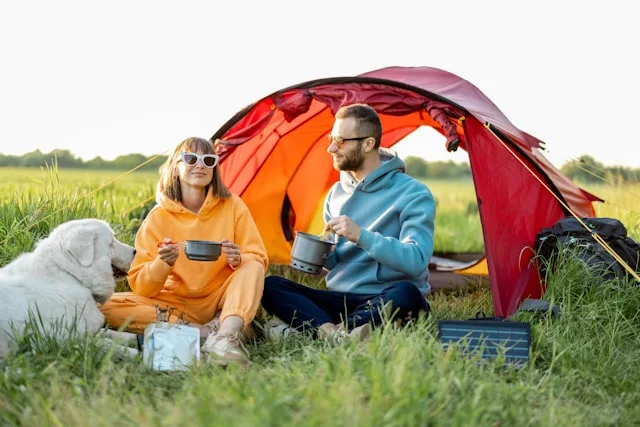
Understanding Outdoor Activities: A Complete Guide
Outdoor activities are not just exercise—they are medicine for modern life. When you step outside, you disconnect from screens, reconnect with nature, and remember that you are part of something larger than your to-do list. Nature restores mental clarity, reduces stress, and provides perspective that indoor life cannot offer. Going outside is not optional—it is essential.
120min Weekly time in nature significantly improves health and well-being 50% Reduction in stress hormones after just 20 minutes outdoors 90% of Americans spend most of their time indoorsWhat Outdoor Activities Really Are
Outdoor activities are any physical, recreational, or exploratory pursuits conducted in natural or open-air environments. They range from gentle walks in parks to intense mountain expeditions, from solo reflection to group adventures. The common thread is being outside, moving your body, and engaging with the natural world rather than artificial environments. According to National Park Service research, outdoor recreation provides comprehensive health benefits.
Outdoor activities provide benefits that indoor exercise cannot replicate—fresh air, natural light, varied terrain, sensory stimulation, and the psychological restoration that comes from being in nature. You do not need wilderness expeditions to benefit. Even urban parks, neighborhood walks, or time in your backyard offer significant mental and physical health improvements.
Key InsightNature is not a luxury—it is a biological need. Humans evolved outdoors, and your body and brain function optimally with regular exposure to natural environments. Modern indoor life is the anomaly, not the norm. When you go outside, you are not escaping normal life—you are returning to it.
Table 1: Indoor Exercise vs. Outdoor Activities
| Feature | Indoor Exercise | Outdoor Activities |
|---|---|---|
| Environment | Controlled climate, artificial lighting, enclosed spaces. | Natural light, fresh air, changing weather, open spaces. |
| Mental Benefits | Physical fitness, endorphin release. | Physical fitness plus stress reduction, mental restoration, creativity boost. |
| Vitamin D | No natural vitamin D production. | Natural vitamin D synthesis from sunlight exposure. |
| Variety | Repetitive movements, predictable terrain. | Variable terrain, changing scenery, sensory diversity. |
The Profound Benefits of Outdoor Activities
Spending time outdoors is one of the most powerful interventions for physical health, mental well-being, and life satisfaction. The benefits are immediate and cumulative—even brief outdoor exposure produces measurable improvements in mood, cognition, and stress levels.
The proven benefits of outdoor activities:
- Stress Reduction: Nature exposure lowers cortisol, blood pressure, and heart rate within minutes. Combat chronic stress naturally.
- Improved Mental Health: Regular outdoor time reduces symptoms of anxiety, depression, and rumination.
- Enhanced Cognitive Function: Nature restores attention, improves focus, and boosts creativity. Reduce mental overwhelm.
- Better Sleep: Natural light exposure regulates circadian rhythms and improves sleep quality.
- Physical Fitness: Outdoor activities build strength, endurance, balance, and cardiovascular health. Explore sports and fitness hobbies.
- Vitamin D Production: Sunlight exposure supports bone health, immune function, and mood regulation.
- Increased Life Satisfaction: People who spend regular time outdoors report higher overall happiness and life meaning.
Table 2: Types of Outdoor Activities by Intensity
| Intensity Level | Activities |
|---|---|
| Low Intensity | Walking, birdwatching, nature photography, picnicking, outdoor yoga, gardening, fishing, stargazing. |
| Moderate Intensity | Hiking, cycling, kayaking, paddleboarding, swimming, trail running, outdoor fitness classes, geocaching. |
| High Intensity | Mountain biking, rock climbing, backcountry skiing, trail running (steep terrain), mountaineering, surfing. |
| Adventure/Expedition | Multi-day backpacking, alpine climbing, whitewater rafting, long-distance cycling tours, wilderness camping. |
Why People Stay Indoors
Modern life is designed to keep you inside—work happens indoors, entertainment is digital, and convenience favors staying home. But this indoor existence comes at a cost. You lose connection with natural rhythms, sensory diversity, and the restorative power of being outside. Recognizing the barriers helps you overcome them.
Table 3: Common Barriers to Outdoor Activities
| Barrier | Why It Happens |
|---|---|
| "I Do Not Have Time" | Indoor activities feel more efficient. You undervalue outdoor time because benefits are not immediately visible or measurable. Address work-life balance issues. |
| Weather Concerns | You wait for perfect conditions instead of adapting. But there is no bad weather—only inappropriate clothing. |
| Lack of Access | You believe outdoor activities require distant wilderness. But parks, sidewalks, and green spaces offer benefits too. |
| Physical Limitations | You assume outdoor activities require high fitness. But gentle walks and accessible trails accommodate all abilities. Manage energy levels appropriately. |
| Technology Addiction | Screens provide constant stimulation that nature cannot match. You have become dependent on digital dopamine hits. |
| Safety Fears | You overestimate outdoor risks based on news stories or unfamiliarity. Most outdoor activities are safer than driving. |
Why Nature Restores What Indoor Life Depletes
Indoor environments demand constant directed attention—screens, notifications, artificial lighting, noise. This drains your mental resources. Nature provides "soft fascination"—effortless engagement that restores attention capacity without depleting it. This is why even brief nature exposure makes you feel mentally refreshed, similar to how mindfulness practices restore mental clarity.
The Cost of Nature DeficitSpending all your time indoors creates "nature deficit disorder"—not a medical diagnosis but a real phenomenon. Chronic indoor life correlates with higher stress, worse sleep, lower mood, decreased creativity, and increased risk of chronic disease. You were not designed to live entirely indoors. Your biology requires outdoor exposure. Learn more from research on nature and mental health.
The Moment You Decide to Go Outside
If you feel disconnected, stressed, or stuck in your head, going outside changes your state immediately. You do not need a plan, special equipment, or perfect conditions. You just need to open the door and step outside. Even five minutes in fresh air shifts your perspective.
Talking to someone about what outdoor activities might fit your life can help you overcome barriers and find activities you actually enjoy. The best outdoor activity is the one you will actually do. Start where you are.
How to Integrate Outdoor Activities Into Your Life
Making outdoor activities a habit requires lowering barriers, starting small, and building consistency. You do not need to become an adventurer overnight. You just need to spend more time outside than you currently do. Small, regular outdoor exposure compounds into significant benefits.
Table 4: Getting Started with Outdoor Activities
| Strategy | Why It Works | Implementation Tips |
|---|---|---|
| Start With What Is Accessible | Proximity reduces barriers. You are more likely to go outside if it is easy. | Walk around your neighborhood. Visit local parks. Use what is already available before seeking distant locations. |
| Make It Social | Social connection increases adherence and makes activities more enjoyable. | Invite friends or family. Join walking groups or outdoor clubs. Accountability helps consistency. Build new connections outdoors. |
| Schedule It | Unscheduled outdoor time gets crowded out by everything else. | Block time in your calendar. Morning or lunchtime works well. Protect this time. |
| Prepare for Weather | Appropriate gear eliminates weather as an excuse. | Invest in rain jacket, layers, and good shoes. Dress appropriately and go anyway. |
| Combine With Existing Habits | Habit stacking makes new behaviors stick faster. | Walk during phone calls. Take coffee outside. Combine outdoor time with activities you already do. Build consistent habits. |
| Start Small | Low initial commitment reduces resistance and builds momentum. | Begin with 10-15 minutes. Gradually increase duration and intensity as habit forms. |
The 7-Step Plan to Reconnect With the Outdoors
-
Assess Current Outdoor Time
Track how much time you spend outside currently. Awareness creates motivation for change. Practice self-discovery.
-
Identify Nearby Outdoor Spaces
Research parks, trails, green spaces, or waterfronts within 15 minutes of your home or workplace.
-
Choose One Activity to Try
Pick something simple and accessible—walking, cycling, or visiting a local park. Do not overthink it.
-
Schedule Regular Outdoor Time
Block 30 minutes, 3-4 times per week. Treat it as important as any other appointment.
-
Get Appropriate Gear
Invest in comfortable shoes and weather-appropriate clothing. Remove gear as a barrier.
-
Go Outside in All Weather
Experience different conditions. Learn that most weather is manageable with proper preparation.
-
Notice How You Feel
Pay attention to mood, energy, and stress levels after outdoor time. Let positive feelings reinforce the habit. Develop emotional awareness.
Start a Conversation. If you feel disconnected from nature or struggle to make outdoor time a priority, talk to someone who can help you identify activities that fit your life and create a sustainable plan. Getting outside is not optional—it is essential to your well-being.
Frequently Asked Questions
How much outdoor time do I need for health benefits?
Research suggests at least 120 minutes per week in nature provides significant health benefits. This can be broken into smaller sessions—20 minutes daily, or longer sessions a few times per week. Even 10 minutes provides immediate stress reduction. More is generally better.
What if I live in a city with limited nature access?
Urban parks, tree-lined streets, rooftop gardens, and even views of nature provide benefits. Walk in neighborhoods with trees. Visit botanical gardens. Seek green spaces wherever available. Urban nature is still nature and offers restoration.
Do I need special equipment to start outdoor activities?
For most basic outdoor activities—walking, hiking local trails, visiting parks—you need only comfortable shoes and weather-appropriate clothing. Start simple. Invest in specialized gear only after you know you enjoy the activity.
Is outdoor time effective if I am on my phone?
Screen use diminishes but does not eliminate outdoor benefits. However, distraction prevents full restorative effects. For maximum benefit, minimize phone use. Be present. Notice surroundings. Let your attention rest on nature rather than screens. Practice mindfulness.
Can outdoor activities help with mental health conditions?
Yes. Regular outdoor activity is an evidence-based intervention for depression, anxiety, and stress-related conditions. It is not a replacement for professional treatment but a powerful complement. Nature exposure supports mental health recovery and maintenance.
What if I am not fit enough for outdoor activities?
Start where you are. Gentle walking on flat terrain is outdoor activity. Sitting in a park is outdoor activity. Accessibility varies—choose activities appropriate for your current fitness and gradually progress. All bodies benefit from time outside.
Remember: Going outside is not a luxury—it is essential medicine for modern life. You do not need wilderness adventures to benefit. Start with what is accessible. Step outside. Breathe. Move. Notice. Your body and mind will thank you.
Talk about outdoor activities — with someone who gets it
Get matched one-to-one with a real person who chose the same topic. Free, anonymous, any time.
Keep reading: How to make online friends that actually stick.