

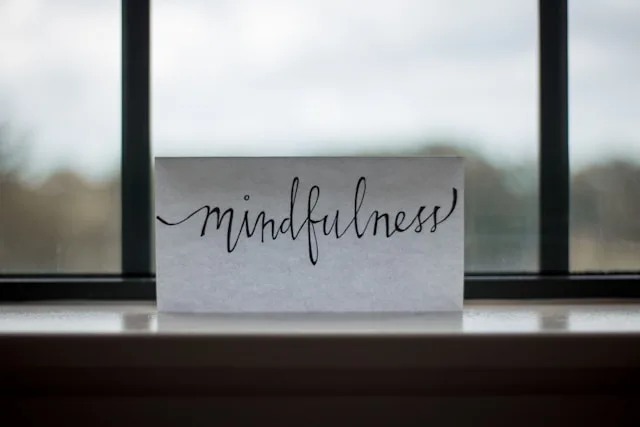
Understanding Mindfulness: A Complete Guide
Mindfulness is not about emptying your mind or achieving a blissful state of permanent calm. It is about paying attention to your present moment experience with openness, curiosity, and acceptance. Mindfulness is the practice of waking up to your life as it unfolds—noticing what is actually happening rather than living lost in thoughts about the past or future. It is simple but not easy. It is accessible to everyone but requires practice. It changes everything while requiring nothing but your attention.
8 weeks Average time to experience measurable changes in brain structure from daily mindfulness practice 47% of our waking hours are spent with minds wandering away from present experience 63% reduction in anxiety symptoms after 8 weeks of consistent mindfulness practiceWhat Mindfulness Really Means
Mindfulness is awareness of present moment experience without judgment. It is noticing what is happening right now—in your body, your breath, your thoughts, your emotions, your surroundings—without immediately reacting, analyzing, or trying to change it. Mindfulness is the opposite of autopilot. It is the practice of showing up for your own life. This cultivates deep emotional awareness.
This practice has ancient roots in Buddhist meditation, but modern mindfulness is secular and scientifically validated. You do not need to be spiritual, religious, or particularly calm to practice mindfulness. You just need to be willing to pay attention. Mindfulness is not about achieving a special state—it is about relating differently to whatever state you are already in.
Key InsightMindfulness is not about stopping your thoughts—it is about changing your relationship to them. You will never stop thinking. Your mind will always wander. Mindfulness is not about achieving mental silence but about noticing when your mind has wandered and gently bringing it back. The practice happens in the returning, not in never leaving. This is essential for managing overthinking.
Table 1: Mindfulness vs. Common Misconceptions
| Mindfulness Is | Mindfulness Is Not |
|---|---|
| Paying attention to present moment experience | Emptying your mind of all thoughts |
| Noticing when your mind wanders and bringing it back | Never letting your mind wander |
| Observing thoughts without getting caught in them | Stopping yourself from thinking |
| Accepting your experience as it is | Forcing yourself to feel calm or positive |
| A skill you develop through regular practice | A talent some people have and others do not |
| Available in any moment, doing any activity | Only possible while meditating in silence |
Why Mindfulness Matters
Most people spend their lives on autopilot—reacting automatically to circumstances, lost in thought, disconnected from direct experience. You eat without tasting, walk without noticing, listen without hearing, and live without fully experiencing your own life. Mindfulness wakes you up to the life you are actually living rather than the one you are thinking about.
This matters because your quality of life is not determined by what happens to you but by how aware you are of what is happening. Two people can experience the same circumstances with vastly different levels of suffering or fulfillment based solely on their degree of presence. Mindfulness does not change external reality—it changes your relationship to reality. And that changes everything. It creates inner peace.
Table 2: The Science-Backed Benefits of Mindfulness
| Benefit Category | Specific Benefits | Research Evidence |
|---|---|---|
| Mental Health | Reduced anxiety and depression, improved mood regulation, decreased rumination, lower stress levels. | Effective as cognitive therapy for preventing depression relapse in multiple clinical trials. See APA research. |
| Brain Structure | Increased gray matter in areas related to learning, memory, emotion regulation, and perspective-taking. | MRI studies show measurable brain changes after 8 weeks of practice. |
| Physical Health | Lower blood pressure, improved immune function, reduced chronic pain, better sleep quality. | Multiple studies show physiological improvements across various health markers. |
| Cognitive Function | Enhanced attention span, improved working memory, better decision-making, increased focus. | Cognitive testing shows improvements in attention and executive function. |
| Emotional Intelligence | Greater self-awareness, improved emotion regulation, enhanced empathy, better relationship quality. | Studies show increased emotional awareness and interpersonal effectiveness. Learn more about emotional intelligence. |
| Resilience | Faster recovery from stress, improved coping with difficulty, greater psychological flexibility. | Research demonstrates enhanced stress resilience and adaptive coping strategies. |
The Core Elements of Mindfulness Practice
Mindfulness rests on several foundational attitudes and practices. These are not separate skills but interconnected elements that work together to create a complete mindfulness practice. Understanding these elements helps you practice more effectively.
Table 3: The Seven Pillars of Mindfulness
| Pillar | What It Means | How to Practice It |
|---|---|---|
| 1. Non-Judging | Observing your experience without labeling it as good or bad, right or wrong. Reduces negative self-talk. | Notice when you judge. Label it "judging" and return to simple observation without evaluation. |
| 2. Patience | Allowing things to unfold in their own time without forcing or rushing. | When impatient, acknowledge it. Remember: each moment is exactly as it should be. |
| 3. Beginner's Mind | Approaching each experience as if for the first time, free from preconceptions. | Question your assumptions. Look at familiar things with fresh eyes. Notice what is actually here. |
| 4. Trust | Trusting yourself, your experience, and the process rather than constantly doubting. | Honor your intuition. Trust that you know yourself better than any external authority. |
| 5. Non-Striving | Being with what is rather than constantly trying to get somewhere or achieve something. | Notice the impulse to make something happen. Practice being rather than doing. |
| 6. Acceptance | Seeing things as they actually are in the present moment, not as you wish them to be. | When resisting reality, notice it. Say "yes" to this moment as it is. |
| 7. Letting Go | Non-attachment to experiences, thoughts, or outcomes—allowing them to come and go. Essential for healing and letting go. | Notice what you cling to. Practice releasing your grip on pleasant and unpleasant experiences. |
Many people turn mindfulness into another thing to achieve, another way to judge themselves, another performance to perfect. This defeats the entire purpose. Mindfulness is not about being good at meditating or achieving the most focused attention. It is about befriending yourself exactly as you are—distracted, restless, judgmental, and all. There is no such thing as being bad at mindfulness. If you are noticing your experience, you are doing it.
Formal Mindfulness Practices
Formal practice means setting aside dedicated time to intentionally cultivate mindfulness. This is where you build the muscle of attention that you can then apply throughout your day. Think of formal practice as going to the gym—it prepares you to move more skillfully through daily life.
Table 4: Core Formal Mindfulness Practices
| Practice | How to Do It | What It Develops |
|---|---|---|
| Breath Awareness | Sit comfortably. Focus attention on the physical sensation of breathing. When mind wanders, gently return to breath. | Concentration, ability to sustain attention, recognition of mind wandering. |
| Body Scan | Lie down or sit. Systematically move attention through each part of your body, noticing sensations without judgment. | Body awareness, ability to feel subtle sensations, relaxation response. |
| Sitting Meditation | Sit in silence. Open awareness to whatever arises—breath, sounds, thoughts, sensations—without attaching to any of it. | Equanimity, acceptance, ability to be with experience without reacting. |
| Walking Meditation | Walk slowly and deliberately, feeling each sensation of lifting, moving, and placing your feet. | Movement awareness, integration of mindfulness with activity. |
| Loving-Kindness | Silently offer phrases of goodwill to yourself and others: "May you be happy, may you be healthy, may you be safe." | Compassion, warmth toward self and others, positive emotional states. |
| Sound Meditation | Sit with eyes closed. Simply listen to sounds arising and passing without labeling or analyzing them. | Non-conceptual awareness, ability to observe without engaging thinking mind. |
Informal Mindfulness: Bringing Awareness to Daily Life
Informal practice means bringing mindful awareness to ordinary activities throughout your day. This is where mindfulness becomes integrated into your actual life rather than remaining confined to meditation cushions. Informal practice is not separate from life—it is life, lived with attention.
Simple ways to practice mindfulness in daily activities:
- Mindful Eating: Eat one meal per day without devices. Notice colors, textures, flavors, sensations. Chew slowly.
- Mindful Listening: In conversation, fully attend to the other person. Notice when your mind wanders to your response. Practice listening skills.
- Mindful Walking: Feel your feet touching the ground. Notice your surroundings. Walk without destination focus.
- Mindful Transitions: Use moments between activities to pause, take three breaths, and arrive in the present.
- Mindful Showering: Feel the water on your skin. Notice temperature, pressure, sounds. Just shower—do not plan your day.
- Mindful Waiting: Use waiting time as mindfulness practice rather than immediately reaching for your phone.
- Mindful Driving: Feel your hands on the wheel. Notice your breath. Observe other drivers with compassion, not judgment.
The 10-Step Beginner's Journey to Mindfulness
Starting a mindfulness practice can feel overwhelming. This step-by-step approach helps you build a sustainable practice without becoming discouraged. Start with step one and only move forward when it feels natural.
-
Start With Just 5 Minutes Daily
Set a timer for 5 minutes. Sit comfortably. Focus on your breath. That is all. Do not increase duration until this feels easy.
-
Expect Your Mind to Wander
Mind wandering is not failure—it is completely normal. The practice is noticing and returning, not preventing wandering. This helps with racing thoughts.
-
Practice at the Same Time Daily
Anchor your practice to an existing habit. Morning upon waking works well for most people. Consistency matters more than duration. Build habits and consistency.
-
Use Guided Meditations Initially
Apps and recordings provide structure and guidance that help beginners stay focused. Graduate to silent practice when ready.
-
Notice Without Judging
When you catch yourself judging your practice, label it "judging" and return to observing. Self-criticism is not mindfulness.
-
Bring Mindfulness Into One Daily Activity
Choose one routine activity—brushing teeth, drinking coffee—and do it mindfully every day. Feel every sensation.
-
Gradually Increase Duration
After 2 weeks of consistent 5-minute practice, increase to 10 minutes. Build slowly to 20-30 minutes over several months.
-
Explore Different Practices
Try various techniques—body scan, walking meditation, loving-kindness. Find what resonates with you personally.
-
Join a Group or Class
Community support accelerates learning. Consider MBSR courses, meditation groups, or online communities.
-
Make It a Lifelong Practice
Mindfulness is not something you master and then stop. It is a continuous practice that deepens over time. Part of ongoing self-improvement.
Week 1 Challenge: Practice 5 minutes of breath awareness every morning for 7 consecutive days. Set a timer. Sit comfortably. Breathe naturally. Notice when your mind wanders. Gently return attention to breath. That is all. Do not judge yourself. Do not try to achieve anything. Just show up and breathe. Seven days. You can do this.
Common Challenges and How to Work With Them
Everyone encounters obstacles in mindfulness practice. These challenges are not signs you are doing it wrong—they are normal parts of the process. Knowing how to work with them skillfully prevents you from giving up prematurely.
Table 5: Navigating Common Mindfulness Obstacles
| Challenge | Why It Happens | How to Work With It |
|---|---|---|
| Restlessness | Your body is not used to stillness. Energy needs to move. Habit patterns resist change. | Try walking meditation. Do body scans. Acknowledge the restlessness without fighting it. |
| Sleepiness | You are genuinely tired, or your mind uses sleep to avoid present moment awareness. | Practice with eyes open. Try walking meditation. If truly exhausted, rest—then practice. |
| Doubt | Your mind questions whether this works, whether you are doing it right, whether it is worth it. Related to self-doubt. | Notice doubt as just another thought. Label it "doubting." Continue practicing anyway. |
| Boredom | Your mind craves stimulation. Simply being feels uninteresting compared to constant entertainment. | Investigate boredom closely. What does it feel like? Where do you feel it? Boredom becomes interesting when examined. |
| Physical Discomfort | Your body is not accustomed to sitting still. Posture needs adjustment. Tension releases. | Adjust position mindfully. Use cushions for support. Try lying down or chair sitting. |
| Overwhelming Emotions | Suppressed emotions surface when you stop distracting yourself. This is normal and healthy. Navigate emotional overwhelm with support. | If overwhelming, open your eyes, feel your feet on floor, breathe. Seek support if needed. |
| Inconsistency | Life gets busy. Motivation wanes. Habits have not formed yet. | Start small enough to maintain. Link practice to existing habit. Forgive missed days and return. |
Mindfulness in Difficult Moments
The true test of mindfulness is not how present you are while sitting quietly—it is how you show up when life is hard. Mindfulness becomes most valuable precisely when circumstances are most challenging. This is when your practice either crumbles or proves its worth. It helps navigate major life changes.
How to practice mindfulness during difficulty:
- Pause Before Reacting: When triggered, take three conscious breaths before responding. Create space between stimulus and response.
- Name What You Feel: Identify the emotion: "This is anger. This is fear. This is grief." Naming creates distance and reduces overwhelm.
- Return to Physical Sensations: Drop out of the story in your head. Feel your feet on the ground, your breath moving, your body sitting.
- Practice RAIN: Recognize what is happening, Allow it to be as it is, Investigate with curiosity, Nurture yourself with compassion.
- Notice Thoughts as Thoughts: "I am having the thought that..." rather than believing thoughts are absolute truth.
- Find the Eye of the Storm: Even in chaos, awareness itself remains calm. Rest in awareness, not in the content of experience.
- Ask for Support: Mindfulness does not mean handling everything alone. Learn how to talk to someone when you need help.
Mindfulness and Technology
Technology is perhaps the greatest modern obstacle to mindfulness. Devices fragment attention, promote constant distraction, and condition you to seek stimulation rather than presence. Yet technology can also support mindfulness practice when used intentionally.
Table 6: Mindful Technology Use
| Unmindful Technology Habit | Mindful Alternative |
|---|---|
| Checking phone immediately upon waking | Leave phone in another room. Start day with 5 minutes of silence or stretching. |
| Scrolling social media whenever bored or waiting | Use waiting time as mindfulness practice. Notice your surroundings or breath instead. |
| Multitasking with multiple screens and notifications | Single-task. Turn off all non-essential notifications. Close unnecessary tabs and apps. |
| Eating while watching screens | Eat at least one meal daily without devices. Taste your food. Notice sensations. |
| Using phone in bed before sleep | Stop screen use 30-60 minutes before bed. Read, journal, or meditate instead. Improve your sleep quality. |
| Constant background media for company | Practice comfortable silence. Notice how it feels to simply be without stimulation. |
Signs Your Mindfulness Practice Is Working
Mindfulness benefits are often subtle at first. You may not notice dramatic changes immediately, but over time, consistent practice creates unmistakable shifts in how you experience life. These signs indicate your practice is taking root.
- You Notice More: Details you previously overlooked become vivid—colors, tastes, sounds, sensations.
- You React Less: Space exists between what happens and your response. You choose rather than automatically react.
- You Recognize Mind Wandering Faster: You catch yourself lost in thought more quickly and return to presence more easily.
- Emotions Pass More Quickly: Feelings still arise, but they move through you rather than consuming you for extended periods.
- You Are Less Judgmental: You notice thoughts without immediately believing or acting on them. Internal criticism softens.
- You Sleep Better: Your mind quiets more easily at night. You ruminate less about past and future.
- You Feel More Connected: Presence in conversation deepens. You listen more fully. Relationships improve. Build healthy relationships.
- Small Things Bring Joy: Simple pleasures become profound—a good meal, warm sun, laughter, quiet moments.
Integrating Mindfulness Into Your Life
The ultimate goal of mindfulness is not to have good meditation sessions—it is to live your entire life with awareness. This means bringing mindful attention to work, relationships, challenges, and ordinary moments. Mindfulness is not something you do separately from life. It becomes how you live. This supports connection to self.
This integration happens gradually. You do not wake up one day fully mindful. You build capacity through consistent practice. You notice when you slip into autopilot and gently return to presence. Again and again. Each return strengthens your ability to remain aware. Over time, mindfulness becomes less something you do and more who you are.
Frequently Asked Questions
How long should I practice mindfulness each day?
Start with 5 minutes daily. Research shows benefits from as little as 10-12 minutes per day, with optimal benefits around 20-30 minutes. However, consistency matters more than duration. Five minutes daily is far better than 30 minutes once per week. Build slowly and sustainably.
What if I cannot stop my thoughts during meditation?
This is not a problem—it is normal. The goal is not to stop thinking but to notice when you are thinking and gently return attention to your chosen focus. Every time you notice and return, you are succeeding at mindfulness. Mind wandering is not failure; it is an opportunity to practice.
Do I need to sit in a specific position to meditate?
No. You can sit in a chair, on a cushion, lie down, or even practice while walking. The key is finding a position that is alert yet comfortable. Cross-legged floor sitting is traditional but not required. Many people practice successfully in chairs with feet flat on floor.
Can mindfulness help with anxiety and depression?
Yes. Mindfulness-Based Stress Reduction and Mindfulness-Based Cognitive Therapy are clinically proven to reduce anxiety and prevent depression relapse. However, mindfulness is not a replacement for professional mental health treatment. Use it alongside therapy and medication when needed, not instead of them. Understand emotional support vs. therapy.
How long before I notice benefits from mindfulness practice?
Many people notice subtle benefits within 1-2 weeks—improved sleep, slightly more calm, better focus. Significant benefits typically emerge after 6-8 weeks of consistent daily practice. Brain structure changes are measurable after 8 weeks. Long-term practice creates deeper, more stable transformation.
Is mindfulness religious or spiritual?
Mindfulness has roots in Buddhism, but modern mindfulness practice is secular and scientifically validated. You do not need to adopt any beliefs, religious or spiritual, to practice and benefit from mindfulness. It is simply training attention and awareness—compatible with any worldview or none. However, it can deepen your spiritual awakening if you choose.
What if I fall asleep during meditation?
This is common, especially when beginning or when genuinely tired. Try meditating with eyes partially open, sitting upright in a chair, or practicing at a different time of day. If you are consistently falling asleep, you may simply need more rest. Honor that need.
Can I practice mindfulness while doing other activities?
Absolutely. Informal mindfulness practice—bringing awareness to daily activities—is just as valuable as formal sitting meditation. You can practice while eating, walking, washing dishes, or having conversations. Any moment is an opportunity for mindfulness.
Remember: Mindfulness is not about perfection. It is about showing up for your life, moment by moment, with as much awareness as you can bring. Each moment of presence matters. Each time you return matters. You are exactly where you need to be in your practice.
Talk about mindfulness — with someone who gets it
Get matched one-to-one with a real person who chose the same topic. Free, anonymous, any time.
Keep reading: How to talk about your feelings.