

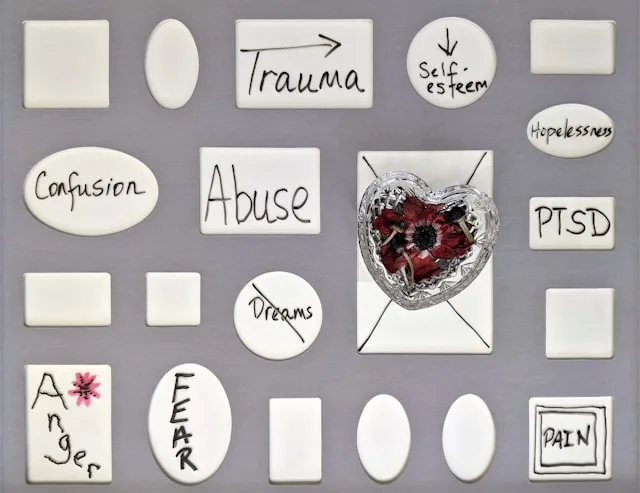
Understanding Complex Trauma: A Complete Guide
Complex trauma is not a single event. It is repeated, prolonged exposure to traumatic experiences—especially during childhood—that fundamentally alters how you see yourself, others, and the world. Unlike a car accident or natural disaster that happens once, complex trauma is woven into the fabric of your development.
If you experienced ongoing emotional neglect, abuse, instability, or witnessed chronic violence, your nervous system adapted to survive environments where safety was never guaranteed. These adaptations served you then. But now, they shape your relationships, emotional responses, and daily life in ways that feel confusing, overwhelming, or inescapable.
75% of people with complex trauma experience symptoms in multiple life areas simultaneously 8x higher risk of developing chronic health conditions compared to those without childhood trauma 92% of individuals with complex trauma report difficulties in close relationshipsWhat Complex Trauma Really Is
Complex trauma—sometimes called Complex PTSD (C-PTSD)—develops from repeated exposure to traumatic situations, typically in childhood or in situations where escape is impossible. It happens when the trauma is interpersonal, meaning it involves people who were supposed to care for you or protect you.
The distinguishing feature of complex trauma is not just what happened to you, but what did not happen—consistent safety, emotional attunement, predictability, and a sense that you mattered. Your brain and nervous system developed in an environment where emotional regulation, secure attachment, and self-worth were never reliably modeled or provided.
Key InsightComplex trauma is not about being "broken"—it is about being shaped by prolonged exposure to circumstances that overwhelmed your capacity to cope. Your symptoms are not character flaws. They are intelligent survival responses that your nervous system created to protect you when no one else would.
Table 1: Single-Incident Trauma vs. Complex Trauma
| Feature | Single-Incident Trauma (PTSD) | Complex Trauma (C-PTSD) |
|---|---|---|
| Cause | One or few distinct traumatic events (accident, assault, natural disaster). | Repeated, prolonged trauma, often interpersonal and during developmental years. |
| Timing | Usually occurs in adulthood or can be isolated childhood event. | Typically begins in childhood and continues over months or years. |
| Core Symptoms | Flashbacks, nightmares, hypervigilance, avoidance of reminders. | All PTSD symptoms PLUS difficulties with emotional regulation, self-concept, and relationships. |
| Identity Impact | Sense of self usually intact; trauma is seen as external event. | Deep identity disruption; trauma becomes part of self-concept. |
| Relational Impact | Relationships may be affected but often remain functional. | Profound difficulties with trust, intimacy, boundaries, and attachment. |
The Origins of Complex Trauma
Complex trauma usually begins in childhood, though it can also develop in adulthood under circumstances of prolonged captivity, domestic violence, or ongoing abuse. The common thread is that the trauma is repeated, interpersonal, and inescapable.
Table 2: Common Sources of Complex Trauma
| Category | Examples |
|---|---|
| Childhood Abuse | Physical, sexual, or emotional abuse by caregivers or family members; witnessing domestic violence. |
| Childhood Neglect | Emotional neglect, lack of consistent caregiving, being ignored or invalidated, parentification (forced to act as adult). |
| Institutional Trauma | Orphanages, foster care instability, religious or educational institutions with abusive practices. |
| Ongoing Interpersonal Violence | Long-term domestic violence, human trafficking, captivity, war, refugee experiences, systemic oppression. |
| Medical Trauma | Repeated painful medical procedures in childhood without emotional support or explanation. |
How Complex Trauma Shows Up in Your Life
Complex trauma does not stay in the past. It lives in your body, your nervous system, your beliefs about yourself, and how you navigate relationships. The symptoms are often misunderstood as personality traits, moral failings, or separate mental health diagnoses.
Recognize these common patterns:
- Emotional Dysregulation: You feel emotions intensely and unpredictably. Small triggers can lead to overwhelming reactions. You may swing between emotional numbness and intense emotional flooding.
- Negative Self-Concept: Deep shame, worthlessness, self-blame. You may feel fundamentally defective or unlovable.
- Relational Difficulties: Struggle with trust, boundaries, intimacy. You may push people away, cling desperately, or oscillate between both.
- Hypervigilance: Constant scanning for danger. You cannot relax. Your nervous system is always on alert.
- Dissociation: Feeling disconnected from your body, emotions, or surroundings. Losing time, feeling unreal, watching yourself from outside your body.
- Difficulty with Anger: Either suppressing all anger or explosive outbursts. Anger feels dangerous because it was unsafe to express in the past.
- Chronic Physical Symptoms: Headaches, digestive issues, chronic pain, fatigue. Your body holds the trauma your mind cannot fully process.
- Self-Destructive Behaviors: Substance abuse, self-harm, risky behaviors, or self-sabotage as ways to cope or as expressions of internalized beliefs about your worth.
Table 3: The Three Core Symptom Clusters of Complex Trauma
| Symptom Cluster | Description |
|---|---|
| 1. Difficulties in Emotional Regulation | Intense emotional reactions that feel uncontrollable; difficulty calming down; emotional numbness alternating with overwhelming feelings; chronic suicidal thoughts as a way to escape emotional pain. |
| 2. Negative Self-Concept | Persistent feelings of shame, guilt, worthlessness, or failure; believing you are fundamentally damaged or defective; feeling that you deserved the trauma or are responsible for what happened. |
| 3. Difficulties in Relationships | Problems forming or maintaining close relationships; difficulty trusting others; feeling distant from people; patterns of unhealthy or abusive relationships; fear of abandonment or engulfment. |
Because complex trauma affects so many areas of life, it is frequently misdiagnosed as borderline personality disorder, bipolar disorder, depression, generalized anxiety, or addiction. While these conditions can co-occur with complex trauma, treating them without addressing the underlying trauma often leads to limited progress. Understanding the root cause changes everything.
The Developmental Impact of Complex Trauma
When trauma happens during childhood, it disrupts normal development. Your brain is still forming. Your nervous system is learning how to regulate. Your sense of self is being built. Trauma during these critical years does not just create memories—it shapes the architecture of your brain and nervous system.
Table 4: Developmental Stages and Trauma Impact
| Developmental Stage | What Should Happen | Impact of Trauma |
|---|---|---|
| Infancy (0-2 years) | Attachment formation, learning that the world is safe, basic trust. | Disorganized attachment, difficulty regulating emotions, pervasive sense of unsafety. |
| Early Childhood (3-5 years) | Development of autonomy, emotional vocabulary, sense of self. | Difficulty identifying emotions, shame-based self-concept, hypervigilance. |
| Middle Childhood (6-11 years) | Social skills, self-esteem, learning competence. | Social difficulties, academic struggles, internalized belief of being "bad" or "different." |
| Adolescence (12-18 years) | Identity formation, independence, peer relationships. | Identity confusion, risk-taking behaviors, difficulty with boundaries, early substance use. |
Why Healing Complex Trauma is Different
Standard trauma treatments designed for single-incident PTSD are often insufficient for complex trauma. Healing from complex trauma requires a comprehensive approach that addresses not just the traumatic memories, but the patterns of dysregulation, relational difficulties, and self-concept issues that developed over time.
Healing is not linear. It is not about "getting over it." It is about building the capacities you were never given the chance to develop—emotional regulation, self-compassion, healthy boundaries, trust, and a coherent sense of who you are.
The Foundation of HealingSafety first, always. Before processing traumatic memories, you need to establish internal and external safety. This means developing emotional regulation skills, building a support system, and learning to recognize and respond to your body's signals. Rushing into trauma processing without this foundation can retraumatize you.
The Three Phases of Complex Trauma Healing
-
Phase 1: Safety and Stabilization
Establish external safety (safe living environment, stable relationships). Develop coping skills for emotional regulation. Learn grounding techniques. Build a therapeutic relationship. Address immediate crises (substance use, self-harm, unsafe relationships). This phase can take months to years.
-
Phase 2: Remembrance and Mourning
Process traumatic memories in a safe, paced way. Grieve what was lost—your childhood, innocence, safety, trust. Make meaning of what happened without taking on inappropriate blame. Integrate fragmented parts of your experience. This phase involves trauma-focused therapy modalities like EMDR, IFS, or Somatic Experiencing.
-
Phase 3: Reconnection and Integration
Rebuild your identity beyond the trauma. Develop new patterns in relationships. Reclaim activities and interests. Find purpose and meaning. Reintegrate into community. Develop a coherent life narrative that includes, but is not defined by, the trauma.
Evidence-Based Treatments for Complex Trauma
Not all therapies are equally effective for complex trauma. Look for therapists trained in trauma-specific modalities. The most effective approaches combine work on the nervous system, memory processing, and relational healing.
Table 5: Effective Therapies for Complex Trauma
| Therapy Type | How It Works | Best For |
|---|---|---|
| Trauma-Focused Cognitive Behavioral Therapy (TF-CBT) | Addresses trauma-related thoughts and behaviors, develops coping skills, gradual exposure to trauma memories. | Children and adolescents with complex trauma; structured symptom reduction. |
| Eye Movement Desensitization and Reprocessing (EMDR) | Uses bilateral stimulation to reprocess traumatic memories, reducing their emotional intensity. | Processing specific traumatic memories once stabilization is achieved. |
| Internal Family Systems (IFS) | Works with different "parts" of yourself created by trauma, helps them heal and integrate. | People with dissociation, fragmented sense of self, or internal conflict. |
| Somatic Experiencing (SE) | Focuses on body sensations and nervous system regulation to release trapped trauma energy. | Those with strong physical symptoms, dissociation, or difficulty accessing emotions. |
| Dialectical Behavior Therapy (DBT) | Teaches emotional regulation, distress tolerance, interpersonal effectiveness, and mindfulness. | Emotional dysregulation, self-harm, intense relationship difficulties. |
| Sensorimotor Psychotherapy | Integrates body-centered and cognitive approaches to process trauma stored in the body. | Those who feel disconnected from their body or have chronic tension/pain. |
Many people benefit from a combination of approaches. A skilled trauma therapist will tailor treatment to your specific needs and adjust as you progress through different healing phases. Learn more about evidence-based treatments for trauma from the American Psychological Association.
Self-Care Practices That Support Healing
Therapy is essential, but healing happens in daily life too. These practices support nervous system regulation and build resilience over time.
Table 6: Daily Practices for Complex Trauma Recovery
| Practice | Purpose | How to Start |
|---|---|---|
| Grounding Techniques | Bring you back to the present moment when triggered or dissociating. | 5-4-3-2-1 technique: Name 5 things you see, 4 you can touch, 3 you hear, 2 you smell, 1 you taste. |
| Somatic Awareness | Reconnect with your body and learn to read its signals. | Body scan: Spend 5 minutes noticing sensations in each part of your body without judgment. |
| Emotional Check-Ins | Develop emotional awareness and vocabulary. | Three times daily, pause and name what you are feeling. Use an emotion wheel if needed. |
| Boundaries Practice | Learn to protect your energy and honor your needs. | Start small: Say no to one thing this week that you would normally force yourself to do. |
| Self-Compassion | Counter shame and self-blame with kindness. | When you notice self-criticism, ask: "What would I say to a friend in this situation?" |
| Resourcing | Build internal capacity by connecting with sources of safety and strength. | Identify people, places, memories, or activities that help you feel calm or strong. Access them regularly. |
When to Seek Immediate Support
Complex trauma healing is challenging. There will be moments when symptoms intensify or you feel overwhelmed. Know when to reach out for immediate support.
Warning Signs That Require Immediate Help- Active suicidal thoughts with a plan
- Urges to seriously harm yourself or others
- Complete inability to care for yourself (not eating, not sleeping for days)
- Severe dissociation where you cannot function or recognize where you are
- Being in immediate danger from another person
Crisis Resources: National Suicide Prevention Lifeline: 988 (US) | Crisis Text Line: Text HOME to 741741 | International Association for Suicide Prevention: https://www.iasp.info/resources/Crisis_Centres/
Living a Full Life Beyond Complex Trauma
Healing from complex trauma does not mean the past disappears. It means the past no longer controls your present. It means building a life where your trauma history is part of your story, but not the defining chapter.
You can develop healthy relationships. You can learn to regulate your emotions. You can build a sense of self that feels authentic and stable. You can experience joy, connection, and purpose. Recovery is real, and it is possible—even when it feels impossibly far away.
Frequently Asked Questions
How long does it take to heal from complex trauma?
There is no fixed timeline. Healing from complex trauma typically takes years, not months. The severity of trauma, the presence of ongoing support, access to quality therapy, and your personal resources all influence the timeline. Focus on progress, not perfection. Small improvements compound over time.
Can you fully heal from complex trauma, or do you just learn to manage it?
Many people experience profound healing where symptoms significantly decrease and no longer interfere with daily life. You may always carry some sensitivity or have moments where old patterns resurface, but you can develop the skills to respond rather than react. Healing is not about erasing the past—it is about transforming your relationship to it.
What if I cannot remember my childhood trauma?
Memory gaps are common in complex trauma, especially when it occurred early in life or involved dissociation. You do not need to recover every memory to heal. Therapy can address the effects of trauma—the patterns, beliefs, and nervous system responses—even without detailed memories. Trust your body's wisdom.
Is medication helpful for complex trauma?
Medication can be a valuable part of treatment, especially for managing symptoms like depression, anxiety, or insomnia that make it difficult to engage in therapy. However, medication alone does not address the root causes of complex trauma. The most effective treatment combines therapy with medication when needed. Always work with a psychiatrist experienced in trauma.
What if my family denies or minimizes what happened?
Family denial is painfully common and adds another layer of harm. Your healing does not depend on others acknowledging what happened. Trust your own experience. Seek validation from your therapist, support groups, or trusted friends. You do not need permission from your family to heal.
Can I heal without therapy?
While some healing can occur through self-help, complex trauma typically requires professional support. The relational nature of the trauma means that healing often happens best in the context of a safe therapeutic relationship. Books, support groups, and self-care practices are valuable supplements but rarely sufficient on their own for complex trauma.
Remember: Complex trauma taught you to survive impossible circumstances. Healing teaches you to thrive in safe ones. Both require immense strength.
Talk about complex trauma (c-ptsd) — with someone who gets it
Get matched one-to-one with a real person who chose the same topic. Free, anonymous, any time.
Keep reading: How to open up to someone.
Ways to talk right now
Related topics
Conversation Matcher is not a therapy service. If you are in crisis, contact a crisis line: US 988 · UK & Ireland Samaritans 116 123 · NL 113 (0800-0113) · DE Telefonseelsorge 0800 111 0 111.