
Understanding Stress at Night: A Complete Guide
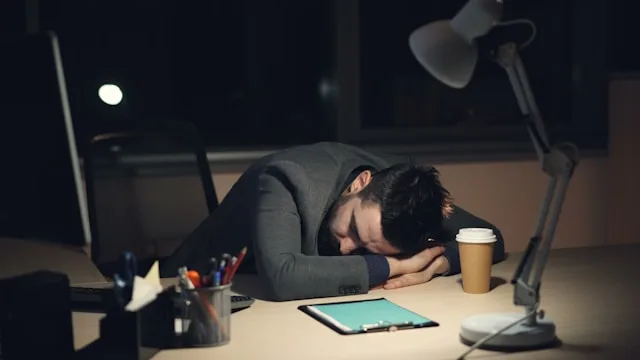
Night should be the time when your body and mind rest. But for many people, night becomes the hardest part of the day. The moment you lie down, your mind races. Your body feels tense. Worries that seemed manageable during the day suddenly feel overwhelming. This is stress at night—and it robs you of the rest you desperately need to cope with everything you are facing.
43% of stressed adults report lying awake at night due to stress 68% of people say stress interferes with their sleep quality 3:00 AM The most common time for stress-related awakeningWhat Stress at Night Really Is
Stress at night is the experience of heightened physical, mental, or emotional stress during evening hours and bedtime. During the day, you stay busy. Distractions keep stress at bay. Your mind focuses on tasks, conversations, and immediate demands. But at night, when everything quiets down and you are alone with your thoughts, there are no more distractions. All the stress you suppressed during the day comes flooding back.
Night stress manifests in different ways: racing thoughts that prevent sleep, physical tension that keeps your body alert, anxiety about tomorrow, ruminating on past events, or sudden panic when you try to relax. Your body and mind refuse to shift into rest mode because your nervous system is stuck in threat-detection mode. Night becomes a battlefield instead of a sanctuary.
Key InsightStress at night is not a separate problem—it is accumulated daytime stress that has nowhere else to go. When distractions disappear and you finally stop moving, your mind and body process everything you could not address during the day. Night stress is a symptom of insufficient stress management throughout your entire day.
Table 1: Daytime Stress vs. Nighttime Stress
| Feature | Daytime Stress | Nighttime Stress |
|---|---|---|
| Distractions | Multiple distractions available (work, activities, people). | No distractions; alone with thoughts and worries. |
| Cortisol Levels | Naturally higher in morning, supporting alertness and activity. | Should decrease at night but remains elevated due to stress. |
| Mental State | Problem-solving mode, focused on tasks and solutions. | Rumination mode, replaying problems without solutions. |
| Body Response | Active stress response masked by movement and activity. | Physical symptoms become more noticeable (racing heart, tension). |
| Impact | Reduced productivity, mood changes, physical symptoms. | Prevents sleep, creates next-day fatigue, worsens overall stress. |
How Stress at Night Shows Up
Night stress appears in multiple forms, affecting your ability to fall asleep, stay asleep, and experience restorative rest. Sometimes the stress is obvious—racing thoughts, worry, panic. Other times it is subtle—restlessness, light sleep, waking frequently without knowing why. Your body knows it is not safe to rest, even when there is no real danger.
Recognize these nighttime stress patterns:
- Racing thoughts: Your mind jumps from worry to worry the moment you lie down, making it impossible to fall asleep.
- Sleep onset insomnia: You are exhausted but cannot fall asleep; hours pass while you toss and turn.
- Middle-of-night awakening: You wake at 2 or 3 AM with your mind immediately racing, unable to fall back asleep.
- Physical restlessness: Your body feels wired and tense; you cannot get comfortable or relax your muscles.
- Anxiety spikes: Panic or intense worry emerges specifically when you try to sleep.
- Rumination: Replaying conversations, mistakes, or problems over and over without resolution.
- Tomorrow dread: Intense anxiety about the next day, feeling overwhelmed before it even begins.
Table 2: The 5 Types of Nighttime Stress
| Type | Description and Symptoms |
|---|---|
| 1. Cognitive Stress | Racing thoughts, worry loops, planning, problem-solving that prevents mental shutdown. Mind refuses to turn off despite exhaustion. |
| 2. Anticipatory Stress | Anxiety about tomorrow's demands, upcoming events, or future concerns. Feeling overwhelmed before the day even begins. |
| 3. Ruminative Stress | Replaying past events, conversations, or mistakes. Obsessing over what you said, did, or should have done differently. Learn more about rumination patterns. |
| 4. Physical Stress | Body tension, racing heart, hypervigilance, restlessness. Nervous system stuck in alert mode, unable to shift to rest-and-digest. |
| 5. Emotional Stress | Sadness, anxiety, or emotional overwhelm that surfaces when distractions stop. Emotions suppressed during day emerge at night. |
Why Stress Gets Worse at Night
There are biological, psychological, and environmental reasons why stress intensifies at night. Understanding these mechanisms helps you recognize that this is not your fault—it is how stress interacts with your natural rhythms and the absence of daytime distractions. According to the Sleep Foundation, the relationship between stress and sleep disruption is bidirectional and scientifically well-documented.
Table 3: Why Night Amplifies Stress
| Factor | Why It Worsens Night Stress |
|---|---|
| Cortisol Dysregulation | Chronic stress disrupts cortisol rhythm. Instead of declining at night, cortisol remains elevated, keeping your body alert when it should be winding down. |
| Loss of Distraction | Daytime activities mask stress. At night, without distractions, you become fully aware of suppressed worries, tension, and unprocessed emotions. |
| Quiet Environment | Silence makes internal sensations louder. You notice your racing heart, tense muscles, and anxious thoughts more intensely when external stimulation stops. |
| Lying Down Position | Physical stillness can make anxiety symptoms more noticeable. Racing heart or breathing changes feel more pronounced when you are lying still. |
| Lack of Control | At night, you cannot take action on most worries. This powerlessness intensifies anxiety because problems feel unsolvable in the moment. |
| Cognitive Fatigue | Mental exhaustion reduces your ability to regulate emotions and challenge negative thoughts, making worries feel more catastrophic and unmanageable. |
| Sleep Pressure Paradox | Knowing you need sleep creates performance anxiety about sleeping, which activates stress response and further prevents sleep. |
Poor sleep worsens stress. Increased stress worsens sleep. This creates a vicious cycle: stress prevents quality sleep, sleep deprivation reduces stress resilience, which increases stress, which further disrupts sleep. Breaking this cycle requires addressing both stress management and sleep hygiene simultaneously. If you're experiencing persistent insomnia, professional support may be necessary.
The Hidden Cost of Sleepless Nights
When stress steals your sleep night after night, the consequences extend far beyond feeling tired. Sleep deprivation compounds stress, impairs cognitive function, weakens emotional regulation, damages physical health, and erodes your ability to cope with daily demands. Each sleepless night makes the next day harder, which creates more stress, which steals more sleep.
Table 4: Health Consequences of Chronic Night Stress
| Health Domain | Impact of Sleep-Depriving Stress |
|---|---|
| Cognitive Function | Impaired memory, reduced concentration, poor decision-making, slower reaction time, decreased problem-solving ability, mental fog. |
| Emotional Health | Increased anxiety and depression, emotional volatility, irritability, reduced ability to manage emotions, feeling overwhelmed easily. |
| Physical Health | Weakened immune system, increased inflammation, higher risk of cardiovascular disease, weight gain, hormonal imbalances, chronic pain. |
| Mental Resilience | Reduced stress tolerance, everything feels harder, minor problems feel catastrophic, decreased coping capacity. |
| Performance | Decreased productivity, increased errors, difficulty completing tasks, reduced creativity, impaired learning ability. |
| Relationships | Increased conflict, reduced patience, emotional unavailability, withdrawal from social connections, communication problems. |
When Night Becomes Your Enemy
There comes a point when you start dreading bedtime. Night changes from a time of rest to a time of suffering. You delay going to bed because you know what awaits—hours of lying awake, mind racing, anxiety building. You feel exhausted but afraid to try sleeping. This is when night stress has taken control of your life.
Talking to someone who understands sleep-disrupting stress can help you break the cycle. You do not have to suffer through another sleepless night alone. Support exists to help you reclaim rest and peace at night. If you're experiencing loneliness at night, connecting with understanding support can make a significant difference.
How to Reclaim Peaceful Nights
Overcoming night stress requires a comprehensive approach: managing daytime stress, creating conditions for sleep, calming your nervous system, and addressing the thoughts that keep you awake. This is not about trying harder to sleep—it is about creating an environment where sleep becomes possible again. Research from the NHS provides evidence-based guidance for improving sleep quality when stress is a factor.
Table 5: Evidence-Based Strategies for Night Stress Relief
| Strategy | How It Helps | Implementation |
|---|---|---|
| Evening Wind-Down Routine | Signals to body and mind that it is time to transition from alert to rest mode. | Start 1-2 hours before bed: dim lights, reduce stimulation, do calming activities (reading, gentle stretching, warm bath). |
| Worry Time Practice | Prevents bedtime rumination by giving worries a designated time earlier in day. | Schedule 15-30 minutes in late afternoon to write down worries and potential solutions. At bedtime, remind yourself you already addressed this. |
| Progressive Muscle Relaxation | Releases physical tension and signals nervous system to shift into rest-and-digest mode. | In bed, systematically tense and release each muscle group from toes to head, holding tension for 5 seconds, then releasing. |
| 4-7-8 Breathing | Activates parasympathetic nervous system, reduces heart rate, calms anxiety. | Inhale through nose for 4 counts, hold for 7 counts, exhale through mouth for 8 counts. Repeat 4-8 cycles. |
| Cognitive Defusion | Creates distance from racing thoughts, reducing their power to keep you awake. | Notice thoughts without engaging: "I'm having the thought that..." instead of believing every thought is truth. Let thoughts pass like clouds. |
| Sleep Environment Optimization | Creates physical conditions that support sleep and reduce arousal. | Dark room (blackout curtains), cool temperature (60-67°F), quiet or white noise, comfortable bedding, no screens 1 hour before bed. |
| Stimulus Control | Retrains brain to associate bed with sleep, not wakefulness and stress. | Use bed only for sleep. If awake for 20+ minutes, leave room and do calm activity until sleepy, then return to bed. |
The 10-Step Night Stress Recovery Plan
-
Address Daytime Stress
Night stress is daytime stress delayed. Identify and manage stress throughout the day so less accumulates at night.
-
Create a Consistent Sleep Schedule
Go to bed and wake at the same time every day, even weekends. Consistency regulates your circadian rhythm.
-
Limit Caffeine and Stimulants
No caffeine after 2 PM. Stimulants stay in your system for hours and amplify nighttime anxiety.
-
Process Emotions During the Day
Do not wait until bedtime to think about problems. Journal, talk to someone, or process emotions while you still have energy to cope.
-
Implement a Digital Sunset
No screens 1-2 hours before bed. Blue light and stimulating content activate your nervous system when it needs to wind down.
-
Practice Evening Rituals
Create calming bedtime rituals that signal safety and rest: warm bath, gentle reading, meditation, stretching.
-
Use the 20-Minute Rule
If not asleep within 20 minutes, or if you wake and cannot fall back asleep, leave bed and do something calming until sleepy.
-
Challenge Catastrophic Thoughts
When worries surface, ask: "Is this thought helpful right now? Can I do anything about this at 3 AM?" Practice letting thoughts go.
-
Learn Nervous System Regulation
Practice breathwork, meditation, or vagal toning exercises during the day so these tools are available when night stress hits.
-
Seek Professional Support
Cognitive Behavioral Therapy for Insomnia (CBT-I) is highly effective for stress-related sleep problems. Do not suffer alone. Understanding when to seek professional therapy can guide your decision.
Start Tonight. Choose one strategy from Table 5 to implement tonight. Do not try to fix everything at once. Small consistent changes break the cycle of night stress. If problems persist after several weeks of effort, reach out for professional support. Quality sleep is not a luxury—it is essential for managing stress and living well.
Frequently Asked Questions
Why do I wake up at 3 AM with anxiety?
3 AM awakening is common with stress and anxiety. During the night, you cycle through sleep stages every 90-120 minutes. Between cycles, you briefly wake—usually unnoticed. But when stressed, your nervous system is hypervigilant. These natural wake points trigger full alertness, and your anxious mind immediately starts racing. Additionally, cortisol begins rising around 2-3 AM, which can trigger awakening when stress has dysregulated this rhythm. If you regularly experience waking up anxious, understanding this pattern is the first step toward relief.
Is it better to stay in bed awake or get up?
Get up after 20 minutes of wakefulness. Lying in bed awake trains your brain to associate bed with frustration and wakefulness rather than sleep. Leave the bedroom, do something calm and non-stimulating in low light (reading, gentle stretching), and return to bed only when you feel sleepy. This is called stimulus control and is highly effective.
Can sleep medication help with stress-related insomnia?
Sleep medication can provide short-term relief but does not address the underlying stress causing insomnia. It can be useful during crisis periods, but long-term reliance can create dependency and worsen sleep quality over time. The most effective approach combines short-term medication (if needed) with CBT-I and stress management. Always consult a doctor before taking sleep medication.
How long does it take to fix stress-related sleep problems?
Most people see improvement within 2-4 weeks of consistent practice of sleep hygiene and stress management strategies. Significant improvement typically occurs within 6-8 weeks. Chronic insomnia that developed over years may take 3-6 months to fully resolve. The key is consistency—practicing good sleep habits every night, not just on bad nights. CBT-I typically shows results within 4-8 sessions.
What if I am too anxious to do relaxation exercises?
This is called "relaxation-induced anxiety"—feeling more anxious when trying to relax. Start with very brief exercises (1-2 minutes) and active techniques like progressive muscle relaxation rather than passive meditation. Practice during the day when anxiety is lower, so the technique becomes familiar before using it at night. Some people benefit from gentle movement (stretching, walking) before attempting stillness practices.
Should I track my sleep with an app or device?
For people with stress-related insomnia, sleep tracking often worsens anxiety about sleep. Obsessing over sleep data creates "orthosomnia"—anxiety about getting perfect sleep metrics. If tracking increases your stress about sleep, stop. Your body knows how much sleep it needs. Focus on how you feel during the day rather than perfecting numbers. Sleep trackers are better for identifying patterns than for nightly monitoring.
What if one bad night makes me anxious about the next night?
This is anticipatory anxiety about sleep, which becomes a self-fulfilling prophecy. One bad night does not cause long-term harm—your body compensates. The anxiety about sleeping poorly causes more sleep disruption than the actual poor sleep. Practice acceptance: "If I sleep poorly tonight, I will cope tomorrow like I always do." Remove the pressure to sleep perfectly. Most people sleep better when they care less about sleeping perfectly.
Remember: Your body wants to sleep. Sleep is a natural process that happens when conditions are right. Your job is not to force sleep—it is to create the conditions where sleep can occur naturally. Trust your body's ability to rest when you give it permission and remove the barriers.
Talk about stress at night — with someone who gets it
Get matched one-to-one with a real person who chose the same topic. Free, anonymous, any time.
Keep reading: How to deal with stress.
Ways to talk right now
Related topics
Conversation Matcher is not a therapy service. If you are in crisis, contact a crisis line: US 988 · UK & Ireland Samaritans 116 123 · NL 113 (0800-0113) · DE Telefonseelsorge 0800 111 0 111.