

Understanding Nighttime Anxiety: A Complete Guide
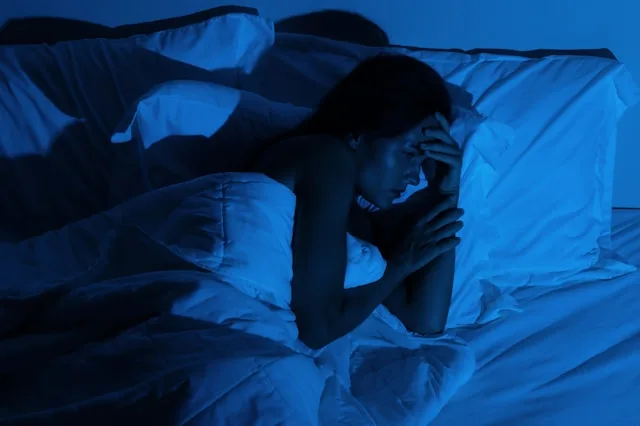
The day ends. Everyone else sleeps peacefully. But you lie in the dark, heart pounding, mind spiraling, chest tight with dread. Nighttime anxiety transforms what should be restful hours into a battle against your own nervous system. You are not imagining it. You are not weak. Nighttime anxiety is real, and it is more common than you think.
54% of people with anxiety disorders report symptoms worsening at night 3-5 AM Peak time for nighttime anxiety and panic attacks 70% of adults with chronic stress experience nighttime anxiety regularlyWhat Is Nighttime Anxiety?
Nighttime anxiety is the experience of heightened worry, fear, physical tension, or panic that occurs specifically during evening hours or upon waking during the night. It is not just difficulty sleeping—it is an overwhelming sense of dread, physical symptoms of anxiety, and intrusive thoughts that make rest feel impossible.
Nighttime anxiety can appear as you prepare for bed, while lying awake trying to sleep, or suddenly upon waking at 2 AM, 3 AM, or 4 AM with your heart racing and mind filled with worry. The darkness, quiet, and lack of distraction amplify every fear, every physical sensation, every unresolved emotion.
Key InsightNighttime anxiety is not a character flaw—it is your nervous system responding to accumulated stress, unprocessed emotions, and the absence of daytime distractions that usually keep anxiety at bay. Understanding this helps you stop blaming yourself and start addressing the root causes.
Table 1: Nighttime Anxiety vs. Normal Pre-Sleep Nerves
| Feature | Normal Pre-Sleep Nerves | Nighttime Anxiety |
|---|---|---|
| Intensity | Mild concern or nervousness that passes quickly. | Intense, overwhelming fear or dread that persists. |
| Physical Symptoms | Minimal physical response; you can still relax. | Racing heart, chest tightness, sweating, trembling, nausea. |
| Duration | Brief; subsides as you settle into bed. | Lasts for extended periods; prevents sleep or causes waking. |
| Impact on Sleep | Does not significantly interfere with falling asleep. | Prevents falling asleep or causes frequent nighttime waking. |
Why Anxiety Gets Worse at Night
Nighttime anxiety intensifies because your defenses disappear. During the day, you distract yourself with work, people, tasks, and screens. At night, when the world goes quiet, your mind has nothing to occupy it except the worries and emotions you have been suppressing all day.
Table 2: Why Nighttime Triggers Anxiety
| Trigger | Explanation |
|---|---|
| Absence of Distractions | During the day, you stay busy. At night, there is nothing to distract you from anxious thoughts, so they take over. |
| Unprocessed Emotions | Stress, fear, and unresolved emotions accumulate throughout the day. At night, they demand attention. |
| Cortisol Fluctuations | Cortisol (the stress hormone) naturally drops at night but can spike if you have chronic stress or anxiety, triggering nighttime panic. |
| Fear of Not Sleeping | Anxiety about insomnia creates a vicious cycle: the fear of not sleeping keeps you awake, which increases the fear. |
| Darkness and Isolation | The dark and silence amplify fear. Feeling alone at night intensifies the sense of vulnerability. |
| Hyperarousal | Your nervous system is stuck in fight-or-flight mode. Even though your body is tired, your brain refuses to wind down. |
How Nighttime Anxiety Feels
Nighttime anxiety manifests in both physical and psychological symptoms. Recognizing these patterns helps you identify when anxiety is taking over and choose strategies to calm your nervous system.
Physical Symptoms of Nighttime Anxiety:
- Racing heart or palpitations: Your heart pounds as if you are in danger, even when lying in bed.
- Chest tightness: A heavy, constricted feeling in your chest that makes breathing feel difficult.
- Rapid, shallow breathing: You cannot take deep breaths; each breath feels insufficient.
- Sweating or chills: Your body temperature fluctuates; you feel hot, cold, or both.
- Trembling or shaking: Your hands, legs, or entire body feel shaky and restless.
- Nausea or stomach discomfort: Your stomach feels upset, tight, or queasy.
- Muscle tension: Your jaw, shoulders, back, or legs are tight and painful.
- Dizziness or lightheadedness: You feel unsteady, disconnected, or like the room is spinning.
Psychological Symptoms of Nighttime Anxiety:
- Intense worry or dread: A persistent feeling that something terrible is about to happen.
- Racing thoughts: Your mind jumps from one worry to the next without stopping.
- Fear of losing control: You feel like you are going crazy or cannot handle the anxiety.
- Catastrophic thinking: Your mind fixates on worst-case scenarios about health, relationships, or the future.
- Depersonalization: Feeling detached from yourself or your surroundings, as if watching from outside your body.
- Hypervigilance: You are hyper-aware of every sound, sensation, or change in your body.
Nighttime panic attacks can occur suddenly, even waking you from sleep. Symptoms include sudden intense fear, racing heart, difficulty breathing, and feeling like you are dying. If you experience these, know that while terrifying, they are not dangerous. Learning grounding techniques and seeking professional support can help reduce their frequency.
The Vicious Cycle of Nighttime Anxiety and Insomnia
Nighttime anxiety and insomnia reinforce each other in a destructive loop. Anxiety keeps you awake. The longer you stay awake, the more anxious you become about not sleeping. This anxiety fuels more wakefulness. The cycle repeats, night after night, until exhaustion becomes your baseline.
Table 3: The Anxiety-Insomnia Cycle
| Stage | What Happens |
|---|---|
| Stage 1 | You lie down to sleep. Anxiety thoughts begin: "What if I can't sleep? I have so much to do tomorrow." |
| Stage 2 | Your body responds to anxious thoughts with physical symptoms: racing heart, tension, alertness. |
| Stage 3 | You cannot fall asleep. You check the clock. "It's been an hour. I'm going to be exhausted tomorrow." |
| Stage 4 | Anxiety intensifies. You try harder to sleep, which activates your stress response further. |
| Stage 5 | You either lie awake for hours or fall into restless, fragmented sleep. You wake feeling unrested. |
| Stage 6 | The next night, you fear the same thing will happen. The anticipatory anxiety makes it happen again. |
Breaking this cycle requires addressing both the anxiety and the behaviors that reinforce insomnia. You must calm your nervous system and change the patterns that keep you stuck.
How to Calm Nighttime Anxiety
Calming nighttime anxiety requires a combination of immediate grounding techniques, nervous system regulation, and long-term stress management. These strategies help you interrupt the anxiety spiral and create conditions for restful sleep.
The 10-Step Plan for Managing Nighttime Anxiety
-
Acknowledge the Anxiety Without Fighting It
Stop resisting. Say to yourself: "I am feeling anxious right now, and that is okay. This feeling will pass." Acceptance reduces the struggle that intensifies anxiety.
-
Ground Yourself in the Present Moment
Use the 5-4-3-2-1 technique: name 5 things you see, 4 you can touch, 3 you hear, 2 you smell, 1 you taste. This brings you out of your anxious thoughts and into the present.
-
Practice Deep, Slow Breathing
Use the 4-7-8 breathing technique: inhale for 4 counts, hold for 7, exhale for 8. Repeat 4-6 times. This activates your parasympathetic nervous system, signaling safety.
-
Use Progressive Muscle Relaxation
Tense and release each muscle group, starting from your toes and moving upward. This releases physical tension that accompanies anxiety.
-
Write Down Your Worries
Keep a notebook by your bed. Write down every anxious thought without analyzing it. This "brain dump" signals your mind that you will address these concerns tomorrow.
-
Get Out of Bed If You Cannot Sleep
If you have been awake for more than 20 minutes, leave your bed. Do a quiet, calming activity—read, stretch, or sit in dim light. Return to bed only when you feel sleepy.
-
Use Guided Meditations or Calming Audio
Listen to a guided sleep meditation, calming music, or nature sounds. This redirects your focus away from anxious thoughts and toward soothing stimuli.
-
Challenge Catastrophic Thoughts
When your mind spirals into worst-case scenarios, ask: "Is this thought based on facts or fear? What is the evidence for and against it?" This interrupts the spiral.
-
Create a Calming Bedtime Routine
Establish a consistent ritual: dim lights, herbal tea, gentle stretching, reading, or journaling. Repetition trains your brain to associate these cues with safety and rest.
-
Reach Out for Support
If nighttime anxiety is overwhelming, talk to someone you trust or seek professional help. You do not have to face this alone.
Tonight, Try One Grounding Technique. Choose one strategy from the list above and commit to using it when anxiety strikes. Consistency helps your nervous system learn to calm down faster over time.
Long-Term Strategies to Reduce Nighttime Anxiety
Managing anxiety in the moment is essential, but long-term relief requires addressing the underlying causes. These strategies help regulate your nervous system and reduce the frequency and intensity of nighttime anxiety.
Table 4: Long-Term Solutions for Nighttime Anxiety
| Strategy | How It Helps |
|---|---|
| Therapy | Cognitive Behavioral Therapy (CBT), Acceptance and Commitment Therapy (ACT), or somatic therapy help process the root causes of anxiety and teach effective coping strategies. |
| Daily Stress Management | Process emotions and stress throughout the day instead of letting them accumulate. Use journaling, exercise, or mindfulness to release tension before bedtime. |
| Consistent Sleep Schedule | Go to bed and wake up at the same time every day. Consistency strengthens your circadian rhythm and makes falling asleep easier. |
| Limit Stimulants | Reduce or eliminate caffeine, nicotine, and sugar, especially in the afternoon and evening. These overstimulate your nervous system. |
| Regular Exercise | Physical activity during the day reduces overall anxiety and improves sleep quality. Avoid intense exercise within 3 hours of bedtime. |
| Mindfulness and Meditation | Daily mindfulness practice trains your brain to observe anxious thoughts without reacting. This skill is crucial for managing nighttime anxiety. |
| Limit Evening Screen Time | Blue light from screens disrupts melatonin production. Stop using screens at least one hour before bed. |
| Medication (if needed) | For some people, medication can help manage anxiety and improve sleep. Consult a doctor or psychiatrist to explore options. |
What Not to Do When Nighttime Anxiety Strikes
Certain responses to nighttime anxiety make it worse. Recognizing these unhelpful patterns helps you avoid intensifying the cycle.
- Do Not Watch the Clock: Repeatedly checking the time increases anxiety about not sleeping and keeps you awake longer.
- Do Not Force Yourself to Sleep: Trying to force sleep activates your stress response. Sleep is something you allow, not something you do.
- Do Not Reach for Your Phone: Scrolling through social media or reading news stimulates your brain and increases anxiety.
- Do Not Catastrophize About Tomorrow: Thinking "I will be exhausted tomorrow" creates more anxiety and prevents sleep.
- Do Not Use Alcohol to Sleep: Alcohol disrupts sleep architecture and worsens anxiety over time.
- Do Not Lie in Bed Awake for Hours: If you cannot sleep after 20-30 minutes, get up. Staying in bed reinforces the association between bed and wakefulness.
When to Seek Professional Help
If nighttime anxiety is significantly impacting your life, professional support can provide relief. You do not need to wait until anxiety becomes unbearable to seek help.
Consider professional help if:
- Nighttime anxiety prevents sleep more than three nights per week.
- You experience frequent nighttime panic attacks.
- Anxiety is causing significant daytime fatigue, impaired functioning, or emotional distress.
- You are avoiding sleep or developing sleep-related phobias.
- Self-help strategies have not provided relief after consistent effort.
- You are using substances (alcohol, medications) to manage anxiety or sleep.
Frequently Asked Questions
Why does anxiety feel worse at night than during the day?
At night, distractions disappear. During the day, you stay busy with work, people, and tasks. At night, your mind has space to process unresolved stress and emotions. The darkness, quiet, and isolation amplify fear, making anxiety feel more intense.
Can nighttime anxiety cause physical health problems?
Yes. Chronic nighttime anxiety and sleep deprivation can contribute to high blood pressure, weakened immune function, cardiovascular issues, and increased risk of mental health conditions. Addressing nighttime anxiety is essential for both mental and physical health. According to the American Psychological Association, chronic sleep disruption significantly impacts overall health and cognitive functioning.
Why do I wake up at 3 AM with anxiety?
Waking at 3-4 AM with anxiety is common. Cortisol levels naturally fluctuate during the night. If you have chronic stress, cortisol can spike in the early morning hours, triggering anxiety and waking you from sleep. This is sometimes called "3 AM anxiety."
Is medication necessary for nighttime anxiety?
Not always. Many people manage nighttime anxiety successfully with therapy, lifestyle changes, and nervous system regulation techniques. However, if anxiety is severe or persistent, medication can be helpful. Consult a doctor or psychiatrist to discuss whether medication is appropriate for you.
How long does it take to overcome nighttime anxiety?
Recovery timelines vary. With consistent practice of calming techniques, therapy, and stress management, many people notice improvement within 4-8 weeks. Long-term relief requires ongoing nervous system regulation and addressing underlying anxiety patterns.
Can diet affect nighttime anxiety?
Yes. Caffeine, sugar, alcohol, and heavy meals before bed can worsen nighttime anxiety. Blood sugar fluctuations, dehydration, and nutrient deficiencies (like magnesium or B vitamins) can also contribute. A balanced diet and avoiding stimulants in the evening can help.
Is nighttime anxiety a sign of a mental health disorder?
Nighttime anxiety can be a symptom of Generalized Anxiety Disorder (GAD), Panic Disorder, PTSD, or other conditions. However, it can also occur in people without a formal diagnosis, especially during high-stress periods. If it significantly impacts your life, a mental health professional can help determine if a diagnosis applies. The National Institute of Mental Health provides detailed information on anxiety disorder diagnosis and treatment options.
Remember: Nighttime anxiety is not your fault. It is your nervous system's response to stress, unprocessed emotions, and a world that rarely allows you to slow down. With the right support and strategies, you can reclaim peaceful nights and restful sleep.
Talk about nighttime anxiety — with someone who gets it
Get matched one-to-one with a real person who chose the same topic. Free, anonymous, any time.
Keep reading: How to stop overthinking · Nighttime Anxiety: Why It Happens and How to Calm It.
Ways to talk right now
Related topics
Conversation Matcher is not a therapy service. If you are in crisis, contact a crisis line: US 988 · UK & Ireland Samaritans 116 123 · NL 113 (0800-0113) · DE Telefonseelsorge 0800 111 0 111.