

Understanding Habits and Consistency: A Complete Guide
Habits and consistency are the foundation of lasting change. Motivation gets you started, but habits keep you going. Consistency transforms intentions into identity. You do not become healthy, productive, or skilled through occasional bursts of effort—you become those things through small actions repeated so often they become automatic. Your life is not shaped by what you do once, but by what you do daily.
43% of daily behaviors are performed habitually, without conscious thought 66 days is the average time it takes for a new behavior to become automatic (range: 18-254 days) 92% of people fail to stick to their New Year's resolutions due to lack of consistent systemsWhat Habits and Consistency Really Are
A habit is a behavior that has been repeated enough times to become automatic. It is a solution your brain creates to reduce the cognitive load of daily decisions. Habits allow you to perform actions without thinking, freeing mental energy for more complex tasks. Consistency is the repeated practice of a behavior—the bridge between intention and habit. Consistency is what turns a goal into a routine and a routine into identity.
Habits are not about willpower or motivation. They are about systems and environment. Willpower is finite—it depletes throughout the day. Habits bypass the need for willpower by making behavior automatic. Consistency is not about never missing—it is about showing up more often than you skip. Perfect consistency is impossible. Good enough consistency transforms lives.
Key InsightYou do not rise to the level of your goals—you fall to the level of your systems. Goals define what you want to achieve. Systems define the daily behaviors that get you there. Without consistent systems, goals remain fantasies. Focus on building systems, not just setting goals.
Table 1: Motivation vs. Habits vs. Discipline
| Concept | Definition | Role in Change |
|---|---|---|
| Motivation | The emotional desire or drive to do something. Provides initial energy. | Motivation starts the journey but is unreliable long-term. It fluctuates daily. |
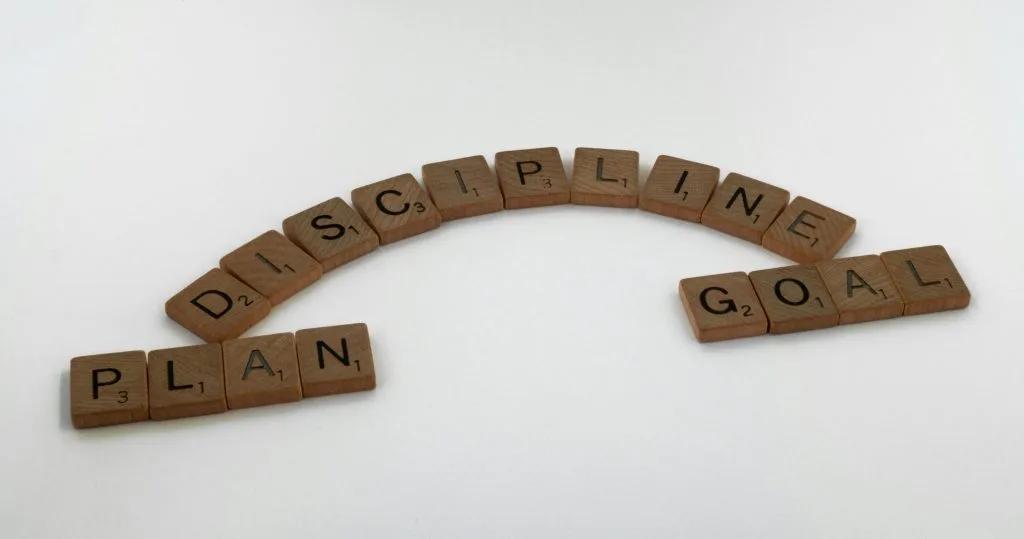
| Discipline | The ability to do what needs to be done even when you do not feel like it. | Discipline bridges the gap between motivation and habit. It is the effort required before automaticity. Learn more about motivation and discipline. |
| Habits | Automatic behaviors performed without conscious thought or effort. | Habits sustain change long-term. Once established, they require minimal willpower. |
The Science of Habit Formation
Habits operate through a neurological loop called the habit loop: cue, routine, reward. A cue triggers the behavior, the routine is the behavior itself, and the reward reinforces the loop. Over time, this loop becomes so ingrained that the cue automatically triggers the routine. Understanding this loop is essential to building new habits and breaking old ones. This framework is also useful for understanding coping mechanisms that have become habitual.
The four stages of habit formation:
- Cue: The trigger that initiates the behavior. Can be time, location, emotion, people, or preceding action.
- Craving: The motivational force behind every habit. You crave the change in state the habit provides.
- Response: The actual behavior you perform. This is the habit itself.
- Reward: The benefit you gain from the behavior. Rewards satisfy cravings and reinforce the habit loop.
Table 2: The Four Laws of Behavior Change
| Law | To Build Good Habits | To Break Bad Habits |
|---|---|---|
| 1. Cue | Make it obvious: Design your environment to make cues visible and unavoidable. | Make it invisible: Remove or hide cues that trigger bad habits. |
| 2. Craving | Make it attractive: Pair the habit with something you enjoy. Use temptation bundling. | Make it unattractive: Highlight the negative consequences of the bad habit. |
| 3. Response | Make it easy: Reduce friction. Start small. Optimize for the 2-minute version. | Make it difficult: Increase friction. Add steps between you and the bad habit. |
| 4. Reward | Make it satisfying: Give yourself immediate rewards. Track progress visibly. | Make it unsatisfying: Create accountability. Add immediate costs to the behavior. |
Why Consistency Feels Impossible
Consistency feels impossible because you expect linear progress and immediate results. You want dramatic transformation quickly. But real change is incremental and slow. The gap between effort and visible results creates frustration. You quit before habits solidify because you do not see progress fast enough. Consistency requires faith that small actions compound over time. This is particularly challenging when dealing with perfectionism that demands immediate excellence.
Table 3: Common Barriers to Consistency
| Category | Common Obstacles |
|---|---|
| Starting Too Big | You set ambitious goals that require massive effort, burning out before habits form. "I will work out for an hour daily" fails faster than "I will do 5 pushups daily." |
| All-or-Nothing Thinking | You believe missing once means total failure. One skipped day becomes a week, then abandonment. Perfection is not required for progress. |
| Lack of Systems | You rely on motivation and willpower instead of building environmental triggers and reducing friction. Without systems, consistency depends on mood. |
| No Tracking | You do not measure progress, so you cannot see improvement. Invisible progress feels like no progress. |
| Delayed Gratification | Good habits have delayed rewards. Bad habits offer immediate pleasure. Your brain prioritizes now over later, sabotaging long-term goals. |
Why Habits Fail
Most habits fail not because you lack willpower, but because you designed them poorly. You made the behavior too difficult, the cue too vague, or the reward too distant. Habits fail when friction is high and rewards are invisible. Success requires reducing friction for good habits and increasing friction for bad ones. Design matters more than determination. Understanding self improvement principles helps you avoid common pitfalls.
The Valley of DisappointmentEarly in habit formation, effort exceeds visible results. This gap—the Valley of Disappointment—is where most people quit. You put in work but see no change. But habits compound exponentially, not linearly. Breakthrough results appear suddenly after months of invisible progress. Persistence through the valley is what separates success from failure. This requires recovering motivation after setbacks.
The Moment You Commit to Consistency
Change begins when you stop relying on motivation and start building systems. When you recognize that discipline creates freedom and that small daily actions compound into transformation. When you accept that you will not always feel like showing up, but you will show up anyway. Consistency is not about perfection—it is about returning after every miss.
The most powerful shift is reframing consistency from "I have to" to "I get to." Every time you show up, you cast a vote for the identity you want to build. Enough votes and you become that person. You do not need massive change. You need reliable, small change repeated endlessly. This identity-based approach is central to building confidence.
How to Build Lasting Habits
Building lasting habits requires strategic design, not brute force. Start ridiculously small, stack habits onto existing routines, track your progress visibly, and design your environment to make good habits inevitable and bad habits difficult. Consistency is built through systems, not willpower. Research from the National Institutes of Health confirms that environmental design is crucial for habit formation.
Table 4: Strategies for Building Habits
| Challenge | Strategy | Why It Works |
|---|---|---|
| Getting Started | Start with a 2-minute version: "Read before bed" becomes "Read one page." Make it so easy you cannot say no. | Small starts overcome resistance. Once started, momentum often carries you further. Consistency matters more than intensity. |
| Remembering | Use habit stacking: attach new habit to existing one. "After I pour coffee, I will meditate for 2 minutes." | Existing habits are strong cues. Stacking piggybacks on established neural pathways, making the new habit easier to remember. |
| Staying Motivated | Track visibly: use a calendar, check boxes, or habit tracker. Never break the chain twice in a row. | Visible progress provides immediate satisfaction. Seeing the streak creates motivation to maintain it. Missing once is okay; missing twice starts a pattern. |
| Avoiding Temptation | Design your environment: remove cues for bad habits, make cues for good habits obvious. | Environment shapes behavior more than willpower. If cookies are not in the house, you cannot eat them impulsively. |
The 7-Step Plan for Building Consistency
-
Start Ridiculously Small
Begin with a version so easy it feels laughable: 1 pushup, 1 page, 2 minutes. Small starts build the consistency habit before scaling intensity.
-
Anchor to Existing Habits
Use habit stacking: "After [current habit], I will [new habit]." Existing routines provide built-in cues.
-
Design Your Environment
Make good habits obvious and easy. Make bad habits invisible and difficult. Reduce friction for what you want, increase friction for what you do not.
-
Track Your Progress Visibly
Use a calendar, app, or journal. Mark every day you complete the habit. Seeing progress motivates continuation.
-
Never Miss Twice
Missing once is life. Missing twice is the start of a new pattern. If you miss, show up the next day no matter what—even if smaller.
-
Focus on Identity, Not Outcomes
Ask "Who do I want to become?" not "What do I want to achieve?" Every action is a vote for that identity. Enough votes and you become that person.
-
Celebrate Small Wins
Acknowledge every time you show up. Celebration releases dopamine, reinforcing the habit loop. Progress deserves recognition.
Choose One Keystone Habit. Identify one small habit that, if done consistently, would create positive ripple effects in your life. Start today with the 2-minute version. Focus on consistency for 30 days before adding anything else. Consider discussing your commitment with an accountability partner.
Frequently Asked Questions
How long does it really take to build a habit?
Research shows an average of 66 days, but the range is 18-254 days depending on the complexity of the behavior and individual factors. The key is not the timeline—it is showing up consistently. Focus on the process, not the calendar. Learn more about the neuroscience of habit formation.
What if I miss a day?
Missing once does not ruin a habit—it is normal. The critical rule is: never miss twice. One miss is an exception. Two consecutive misses is the beginning of a new pattern. Get back on track immediately, even if you do a smaller version.
How many habits can I build at once?
Focus on one to three habits maximum, especially when starting. Building multiple habits simultaneously divides your attention and willpower. Master one habit before adding another. Sequential habit building is more effective than parallel attempts.
What if I do not have time for new habits?
Start with the 2-minute version. Everyone has 2 minutes. The goal is not intensity—it is consistency. Once the habit is established, you can scale up. But the pattern of showing up daily must be built first, regardless of duration.
How do I break bad habits?
Invert the four laws: make the cue invisible, make it unattractive, make it difficult, and make it unsatisfying. Remove triggers from your environment, increase friction, and create accountability. Often, replacing a bad habit with a good alternative is more effective than elimination alone.
What if motivation disappears?
Motivation is unreliable—this is why systems matter. When motivation fades, your environment, cues, and habit stacks keep you going. Discipline bridges the gap until the behavior becomes automatic. Show up even when you do not feel like it. That is when the habit is truly being built.
Remember: You do not need to be perfect. You need to be consistent. Small actions, repeated daily, compound into extraordinary results. Focus on showing up, not on intensity. Identity is built one rep at a time. Who you become is determined by what you do consistently.
Talk about habits and consistency — with someone who gets it
Get matched one-to-one with a real person who chose the same topic. Free, anonymous, any time.
Keep reading: How to build self-confidence.