

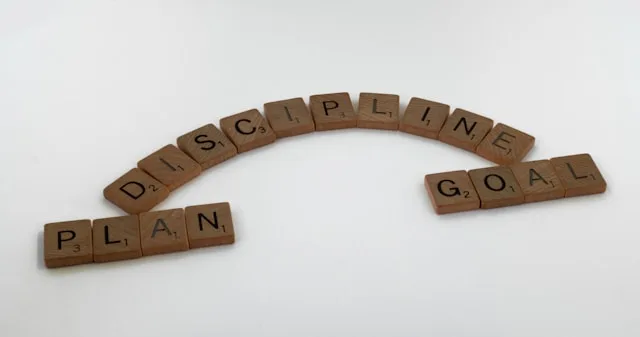
Motivation and Discipline: A Complete Guide
Motivation is the spark that gets you started. Discipline is the system that keeps you going. Most people wait for motivation to strike before they take action. But the truth is simpler and harder: motivation fades, discipline builds. Understanding the difference between these two forces will change how you approach every goal, challenge, and dream you have.
92% of New Year's resolutions fail by February due to reliance on motivation alone 66 days Average time to build a new habit through consistent discipline 5x Higher success rate when using discipline-based systems vs. motivation-based approachesWhat Motivation Really Is
Motivation is an emotional state. It is the feeling of excitement, energy, or desire that pushes you toward action. Motivation comes in waves. Some days you wake up ready to conquer the world. Other days you cannot find a reason to get out of bed. This is normal. Motivation is not reliable because emotions are not reliable.
Motivation works best at the beginning of a journey. It gets you to sign up for the gym, start the project, or commit to change. But motivation cannot carry you through the middle—the boring, difficult, unglamorous part where most people quit. That is where discipline takes over. Research from behavioral psychology studies shows that self-discipline predicts success more reliably than motivation or talent.
Key InsightMotivation is a feeling. Discipline is a decision. You cannot control when motivation arrives, but you can control your actions regardless of how you feel. Discipline means showing up even when you do not want to. That is the difference between people who achieve their goals and people who only dream about them.
What Discipline Really Is
Discipline is the ability to do what needs to be done, even when you do not feel like doing it. It is not about willpower or forcing yourself through misery. Discipline is about building systems, routines, and habits that remove the need for constant decision-making. When discipline becomes automatic, motivation becomes optional.
Discipline is not punishment. It is not deprivation. Discipline is freedom. It frees you from the chaos of waiting for the right mood, the right time, or the right circumstances. Discipline means you trust your future self enough to act today, even when the reward feels distant.
Table 1: Motivation vs. Discipline
| Aspect | Motivation | Discipline |
|---|---|---|
| Nature | Emotional, temporary, unpredictable | Behavioral, consistent, reliable |
| When It Works | At the beginning, during high-energy moments | Every day, regardless of how you feel |
| What It Requires | Inspiration, excitement, external triggers | Commitment, systems, self-trust |
| Duration | Short-term bursts of energy | Long-term sustainable action |
| Reliability | Unreliable, comes and goes | Reliable, built through repetition |
Why Motivation Alone Fails
Relying on motivation alone is like trying to drive a car using only the ignition. Motivation starts the engine, but it does not keep you moving. When motivation fades—and it will—you are left with nothing but resistance, excuses, and the temptation to quit.
Here is why motivation fails:
- It depends on your mood: You cannot control when you will feel motivated.
- It fades over time: The initial excitement wears off, leaving you with the hard work.
- It is reactive: You wait for inspiration instead of creating conditions for success.
- It crumbles under stress: When life gets hard, motivation disappears.
- It requires constant renewal: You need a new spark every single day, which is exhausting.
Why Discipline Works
Discipline works because it removes emotion from the equation. You do not need to feel like doing something to do it. You just do it because it is part of your routine, your identity, or your commitment. Discipline builds momentum. Each small action reinforces the next. Over time, discipline becomes effortless.
Table 2: The Four Pillars of Discipline
| Pillar | Description |
|---|---|
| 1. Clarity | You know exactly what you need to do and why it matters. Clear goals eliminate confusion and hesitation. |
| 2. Consistency | You show up repeatedly, even in small ways. Consistency builds habits, and habits build results. |
| 3. Structure | You create systems and routines that make action automatic. Structure removes the need for constant willpower. |
| 4. Commitment | You decide in advance that you will follow through, regardless of how you feel in the moment. |
How Motivation and Discipline Work Together
You do not have to choose between motivation and discipline. They are not opposites—they are partners. Motivation gets you started. Discipline keeps you going. And occasionally, discipline reignites motivation. When you see progress from your consistent effort, motivation returns naturally.
The Motivation-Discipline CycleThe cycle works like this: Motivation sparks initial action. Discipline sustains that action through repetition. Repetition creates results. Results generate new motivation. This cycle is self-reinforcing, but it only works if discipline bridges the gaps when motivation disappears.
Table 3: When to Use Motivation vs. Discipline
| Situation | Use Motivation | Use Discipline |
|---|---|---|
| Starting something new | ✓ Use motivation to create excitement and overcome initial resistance. | — |
| Building a habit | — | ✓ Use discipline to show up consistently until the habit becomes automatic. |
| Facing obstacles | — | ✓ Use discipline to push through when motivation disappears. |
| Maintaining progress | — | ✓ Use discipline to stay consistent even when results plateau. |
| Celebrating wins | ✓ Use motivation to recognize progress and renew energy. | — |
The Common Mistakes People Make
Most people misunderstand both motivation and discipline. They wait for motivation that never comes, or they try to force discipline through sheer willpower, which leads to burnout. Here are the mistakes that keep people stuck:
Table 4: Motivation and Discipline Mistakes
| Mistake | Why It Fails |
|---|---|
| Waiting to feel motivated | Motivation is a result of action, not a prerequisite for it. Start before you feel ready. |
| Setting vague goals | Without clarity, discipline has nothing to latch onto. Vague goals create vague effort. |
| Trying to change everything at once | Overwhelm kills motivation and makes discipline impossible. Focus on one habit at a time. |
| Relying on willpower alone | Willpower is a limited resource. Build systems and routines that do not require constant effort. |
| Ignoring small wins | Progress fuels motivation. If you do not notice your progress, motivation fades. |
How to Build Unshakable Discipline
Discipline is not something you are born with. It is something you build. You build it through small, consistent actions that compound over time. The goal is not perfection. The goal is progress. Every time you follow through on a commitment, you strengthen your discipline. According to habit formation research, small changes create remarkable results when applied consistently.
The 7-Step Plan to Build Discipline
-
Start Ridiculously Small
Choose one action so small you cannot fail. Want to exercise? Start with one push-up. Want to read? Start with one page. Small wins build confidence and momentum.
-
Attach It to an Existing Habit
Stack your new behavior onto something you already do. After I pour my coffee, I will write for five minutes. After I brush my teeth, I will do ten squats. Habit stacking makes discipline automatic.
-
Remove Friction
Make the desired behavior as easy as possible. Lay out your workout clothes the night before. Keep your journal on your nightstand. The less friction, the less willpower required.
-
Track Your Progress
Use a calendar, app, or simple checklist. Seeing a visual record of your consistency reinforces discipline and renews motivation.
-
Commit Publicly
Tell someone about your goal. Accountability makes it harder to quit when motivation fades. You do not want to let others down, and that external pressure supports internal discipline.
-
Forgive Yourself for Slip-Ups
Discipline is not perfection. You will miss days. You will stumble. What matters is that you return. One missed day does not erase your progress. Just start again.
-
Celebrate Every Win
Acknowledge your effort, not just the outcome. Every time you show up, you win. Recognition fuels the motivation-discipline cycle.
Choose one small action you will commit to for the next seven days. Do not rely on motivation. Do it whether you feel like it or not. After seven days, notice how discipline starts to feel easier. That is the beginning of transformation.
How to Reignite Motivation When It Disappears
Even with strong discipline, there will be times when you feel completely unmotivated. That is normal. You do not need to wait passively for motivation to return. You can actively create it.
- Review your progress: Look back at how far you have come. Progress is motivating.
- Revisit your why: Reconnect with the deeper reason you started. Purpose fuels motivation.
- Change your environment: Sometimes a new setting or approach sparks fresh energy.
- Talk to someone: Share your struggle. Connection and support can reignite your drive.
- Lower the bar: If the task feels overwhelming, make it smaller. Any action is better than none.
Frequently Asked Questions
What if I have no motivation or discipline?
Start with the smallest possible action. You do not need motivation or discipline to do one tiny thing. Do that one thing consistently, and momentum will build. Motivation and discipline grow from action, not the other way around.
Can you have too much discipline?
Yes. Discipline without flexibility becomes rigidity. If discipline turns into perfectionism or obsession, it can harm your mental and physical health. Balance discipline with self-compassion and rest.
How do I stay disciplined when I am tired or stressed?
Lower your standards temporarily. Instead of a full workout, do five minutes. Instead of writing a chapter, write one sentence. The goal is to maintain the habit, not to perform at your peak. Consistency matters more than intensity.
Is discipline the same as self-control?
Not exactly. Self-control is resisting temptation in the moment. Discipline is building systems so you do not need constant self-control. Discipline reduces the need for willpower by making good behaviors automatic.
What if I keep breaking my commitments?
You are probably committing to too much too soon. Make your commitment smaller and easier. If you cannot keep a five-minute daily commitment, start with one minute. Build from there. Small, consistent wins build trust in yourself.
How long does it take to build discipline?
Research suggests it takes an average of 66 days to form a habit, but discipline is not about a single habit—it is a skill. The more you practice acting despite how you feel, the stronger your discipline becomes. Expect noticeable improvement within a few weeks.
Remember: Motivation gets you started. Discipline gets you finished. Both matter, but only one is within your control every single day.
Talk about motivation and discipline — with someone who gets it
Get matched one-to-one with a real person who chose the same topic. Free, anonymous, any time.
Keep reading: Need to vent to someone online?.