

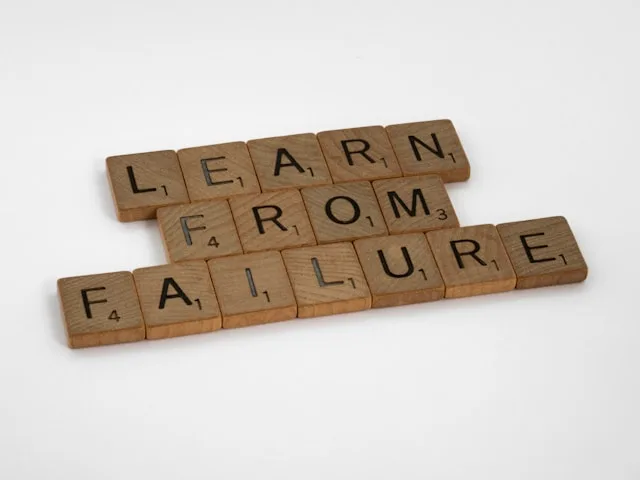
Understanding Motivation After Failure: A Complete Guide
Motivation after failure is the most difficult kind to find. When you have tried and fallen short, when your effort was not enough, when the outcome you worked toward did not materialize—the urge to try again feels impossible. Failure drains motivation like nothing else. But learning to rebuild drive after setback is the defining difference between those who achieve long-term success and those who quit at the first obstacle.
89% of successful entrepreneurs report multiple significant failures before success 5.4x Higher resilience in people who practice self-compassion after failure 72 hours Critical window to process failure before making next decisionsWhat Motivation After Failure Really Is
Motivation after failure is not simply bouncing back—it is the psychological work of processing disappointment, extracting lessons, protecting your self-worth from erosion, and rebuilding belief that future effort will yield different results. It requires separating the failure of an attempt from your value as a person. It demands reframing setback from evidence of inadequacy to data for adjustment.
Most people think resilience means immediately getting back up after falling. But real resilience includes allowing yourself to feel the pain of failure, grieving what did not work out, and then—after processing—choosing to try again with wisdom gained from the experience. Motivation after failure is not about denying the hurt. It is about not letting the hurt define your future.
Key InsightFailure does not kill motivation—your interpretation of failure does. If failure means "I am inadequate," motivation dies. If failure means "This approach did not work; let me try differently," motivation rebuilds. The story you tell yourself about failure determines whether you rise or stay down. Research from the American Psychological Association shows that resilience can be learned and strengthened through specific practices.
Table 1: Growth Mindset vs. Fixed Mindset After Failure
| Aspect | Fixed Mindset (Motivation Dies) | Growth Mindset (Motivation Rebuilds) |
|---|---|---|
| Interpretation | "I failed because I am not good enough. This proves my inadequacy." | "I failed because my approach needs adjustment. This is feedback, not verdict." |
| Self-Talk | "I am a failure. I always mess things up. I should give up." | "I experienced a failure. I can learn from this. I will try differently." |
| Focus | What this failure says about you as a person. | What this failure teaches about the approach, timing, or strategy. |
| Emotion | Shame, hopelessness, identity threat. | Disappointment, determination, curiosity about what went wrong. |
| Action | Avoidance, quitting, or self-sabotage. | Analysis, adjustment, and renewed effort with new strategy. |
Why Failure Destroys Motivation
Understanding why failure hits motivation so hard helps you protect yourself from the most damaging psychological traps. Failure threatens multiple psychological needs simultaneously, creating a perfect storm for motivation loss.
Table 2: How Failure Attacks Motivation
| Psychological Impact | How It Depletes Motivation |
|---|---|
| Ego Threat | Failure feels like evidence that you are not good enough. When identity is tied to success, failure creates shame. Shame is the most powerful demotivator—it makes you want to hide, not try again. |
| Loss of Self-Efficacy | Failure damages your belief in your ability to succeed. Without confidence that future effort will yield results, motivation evaporates. Why try if you do not believe you can do it? |
| Learned Helplessness | Repeated failures teach your brain that effort does not matter—outcomes are beyond your control. This creates passive acceptance of defeat and complete motivation shutdown. |
| Sunk Cost Grief | You invested time, energy, money, or emotion. Failure means that investment yielded no return. The grief of wasted resources makes starting over feel unbearable. |
| Social Comparison | Watching others succeed while you fail amplifies feelings of inadequacy. Comparison turns failure from disappointing to humiliating. |
| Fear Amplification | Failure proves your fears were justified. Now you have evidence that trying again could lead to more pain. Fear of re-experiencing failure paralyzes action. |
Failure triggers shame. Shame makes you want to hide and avoid. Avoidance prevents you from trying again. Not trying guarantees you cannot succeed. This creates a self-fulfilling prophecy where shame ensures continued failure. Breaking this cycle requires addressing shame directly with self-compassion.
The Immediate Aftermath: Processing Failure Productively
The first 72 hours after failure determine whether you will rebuild motivation or spiral into despair. How you handle this critical window sets the trajectory for your recovery. These strategies help you process failure without letting it destroy your drive. Research from self-compassion studies demonstrates that treating yourself kindly after failure accelerates recovery and resilience.
Table 3: Immediate Post-Failure Strategies
| Strategy | How to Do It | Why It Works |
|---|---|---|
| Allow Emotional Processing | Give yourself permission to feel disappointed, sad, or angry for 24-48 hours. Do not suppress emotions or force positivity. | Suppressed emotions intensify and leak out later. Processing allows you to move through grief to acceptance. |
| Separate Event from Identity | Repeat: "I experienced a failure. I am not a failure." Write it down. Say it aloud. Believe it. | Language shapes perception. Failing at something does not make you a failure. This distinction protects self-worth. |
| Practice Self-Compassion | Talk to yourself as you would comfort a friend who failed. "This is hard. Everyone fails. You tried your best." | Self-compassion rebuilds resilience. Self-criticism deepens shame and prevents recovery. |
| Avoid Major Decisions | Do not quit, pivot dramatically, or make life-altering choices in the immediate aftermath. Wait 72 hours minimum. | Emotional flooding impairs judgment. Decisions made in pain are often regretted later. |
| Limit Social Media | Stay off platforms where you compare yourself to others' successes. Protect yourself from comparison when vulnerable. | Comparison magnifies feelings of inadequacy. Reducing exposure protects fragile motivation. |
| Connect with Support | Talk to someone who understands. Share what happened. Let yourself be seen in your disappointment. | Isolation amplifies shame. Connection reminds you that you are not alone and that failure is universal. |
Extracting Lessons: Turning Failure into Fuel
After the initial emotional processing, the next phase is analytical. This is where failure transforms from setback to teacher. The right questions extract wisdom without deepening shame.
Questions to ask after the emotional dust settles:
- What specifically went wrong? Be precise. "I failed" is vague. "I underestimated the time required" is actionable.
- What was within my control? Identify what you could have done differently versus what was beyond your influence.
- What assumptions proved incorrect? Failure often reveals flawed beliefs about how things work.
- What worked despite the outcome? Not everything failed. What strengths or strategies were effective?
- What would I do differently next time? Turn insights into concrete adjustments for future attempts.
- Was this the right goal? Sometimes failure reveals that you were pursuing the wrong target entirely.
- What can I control going forward? Focus returns to what is within your power to change.
Rebuilding Motivation: The Recovery Process
Motivation does not return instantly after failure. It is rebuilt through deliberate psychological work. These strategies address the specific ways failure depleted your drive and systematically restore it.
Table 4: Strategies to Rebuild Motivation After Failure
| Strategy | How to Implement | What It Rebuilds |
|---|---|---|
| Start Ridiculously Small | Take the tiniest possible action toward your goal. Success at small tasks rebuilds confidence. | Self-efficacy. Proves you are capable of forward movement again. |
| Redefine Success | Measure progress by effort and learning, not just outcomes. "I tried" is success. "I learned" is success. | Shifts from outcome-dependent to process-oriented motivation. You control effort; you do not always control results. |
| Reconnect with Purpose | Revisit why this goal mattered originally. If the why is still compelling, motivation can be rekindled. | Purpose. When you remember why it matters, you find energy to try again. |
| Study Others' Failures | Research stories of people who failed repeatedly before succeeding. Normalize failure as part of the process. | Perspective. Failure becomes less identity-threatening when you see it is universal. |
| Adjust the Approach | Change something significant about your strategy. New approach creates hope that different actions will yield different results. | Hope. Doing exactly the same thing feels futile. Adjustment creates possibility. |
| Set a Recovery Timeline | Give yourself specific time to recover—1 week, 2 weeks—then commit to taking action, even small action. | Structure. Open-ended recovery can become permanent avoidance. Boundaries create momentum. |
| Celebrate Courage | Acknowledge that trying again after failure requires immense bravery. Trying is success regardless of outcome. | Self-respect. You honor your courage, not just your achievements. |
The Different Types of Failure and How to Respond
Not all failures are the same. Each type requires different processing and recovery strategies. Mismatching your response to the type of failure delays healing and motivation rebuilding.
Table 5: Types of Failure and Recovery Approaches
| Type of Failure | What It Means | How to Respond |
|---|---|---|
| Execution Failure | You had the right idea but executed poorly. The strategy was sound; the implementation was flawed. | Analyze execution. Identify skill gaps. Get training or support. Try again with better execution. |
| Strategic Failure | Your approach was fundamentally wrong. No amount of good execution would have worked. | Pivot strategy entirely. Research alternatives. Test new approaches. Do not keep trying the same method. |
| Timing Failure | Right idea, right execution, wrong timing. External circumstances were not aligned. | Be patient. Revisit when conditions change. Sometimes waiting is the right strategy. |
| Goal Misalignment | You succeeded at something you realize you did not actually want. The wrong goal was pursued. | Clarify what you genuinely want. Set new goals aligned with authentic values. No shame in changing direction. |
| Near Miss | You came close but fell just short. Almost succeeded but did not. | Most motivating type. Small adjustments likely lead to success. Persistence makes sense here. |
| Catastrophic Failure | Complete collapse. Nothing went right. Dramatic and painful setback. | Allow extended processing time. Seek support. Rebuild from foundation. Consider whether to try again or pivot entirely. |
The 7-Step Plan to Rebuild Motivation After Failure
-
Process Emotions Without Judgment
Allow yourself to feel disappointed, angry, or sad for 24-48 hours. Do not rush to "get over it." Grief is part of recovery.
-
Separate Failure from Identity
Consciously remind yourself: "I experienced a failure. I am not a failure." Language matters. Protect your self-worth.
-
Practice Self-Compassion
Treat yourself with the kindness you would show a friend. Self-criticism deepens wounds. Self-compassion heals them.
-
Extract Specific Lessons
After emotions settle, analyze objectively. What went wrong? What was in your control? What would you do differently?
-
Reconnect with Your Why
Revisit why this goal mattered. If the purpose is still compelling, motivation can be rekindled. If not, it is okay to choose a new path.
-
Take One Tiny Action
Do something ridiculously small toward your goal. Prove to yourself that forward movement is possible again. Momentum starts with one step.
-
Adjust and Commit
Change your approach based on lessons learned. Commit to trying again with new strategy. Different actions create possibility for different results.
Start a Conversation. Failure is isolating. Shame tells you to hide. But connection is the antidote to shame. Talk to someone who understands that failure is part of growth. You do not have to rebuild motivation alone. Support makes resilience possible.
Frequently Asked Questions
How long should it take to feel motivated again after failure?
There is no fixed timeline. It depends on the severity of the failure, your attachment to the outcome, and your resilience patterns. Minor setbacks may require days to process. Major failures may need weeks or months. What matters is allowing yourself the time you need without judgment, then taking small actions when ready.
What if I have failed so many times I cannot find motivation anymore?
Repeated failures can create learned helplessness—the belief that effort does not matter. This requires intentional retraining. Start with goals so small that success is guaranteed. Build evidence that your actions lead to results. Consider whether you need to pivot to a different goal entirely or if you need professional support to rebuild self-efficacy.
How do I know if I should try again or give up?
Ask: Does this goal still align with my values? Have I learned something that suggests a new approach will work? Am I pursuing this because I genuinely want it or because I fear being seen as a quitter? Try again if purpose remains and you have new insights. Give up if the goal no longer serves you or circumstances have fundamentally changed.
How can I stop feeling ashamed of my failure?
Shame thrives in secrecy. Share your failure with someone who will respond with compassion, not judgment. Recognize that every successful person has failed—repeatedly. Study failure stories of people you admire. Reframe failure from identity ("I am inadequate") to event ("This attempt did not work"). Self-compassion practice directly addresses shame.
What if others saw me fail and I feel humiliated?
Public failure amplifies shame. Remember: people are far less focused on your failure than you think—they are absorbed in their own lives. Those who judge harshly often fear their own potential failure. People who matter will respect your courage to try. Vulnerability in the face of setback is strength, not weakness.
When should I seek professional help after failure?
Seek help if: feelings of worthlessness persist beyond 2-3 weeks, you cannot stop ruminating on the failure, the failure triggered depression or anxiety, you have thoughts of self-harm, or repeated failures have created a pattern you cannot break alone. Therapists specialize in helping people rebuild after setback. Professional support accelerates recovery.
Remember: Failure is not the opposite of success—it is part of the path to success. Every person who achieved something meaningful failed along the way. The difference is they kept going. You can too. Motivation after failure is not about feeling fearless—it is about acting despite fear.
Talk about motivation after failure — with someone who gets it
Get matched one-to-one with a real person who chose the same topic. Free, anonymous, any time.
Keep reading: Need to vent to someone online?.