

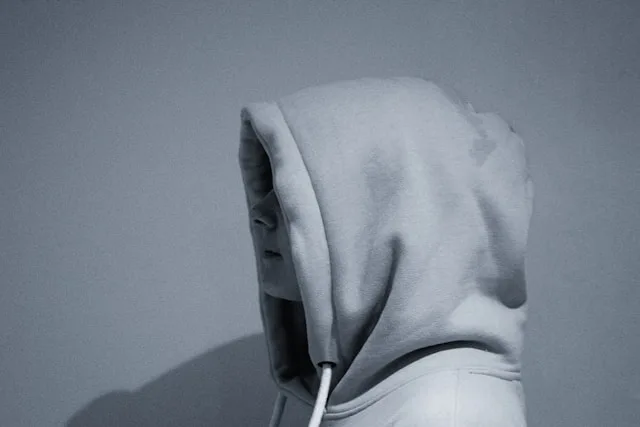
Understanding Social Withdrawal: A Complete Guide
Social withdrawal is the gradual or sudden retreat from social interaction and connection. It is not the same as choosing solitude or being introverted. It is pulling away from people and activities that once mattered to you, often because the world feels too overwhelming, dangerous, or pointless. Social withdrawal is both a symptom and a trap—it protects you from pain while deepening your emotional isolation.
62% of people with depression report significant social withdrawal 3x Higher risk of chronic loneliness when socially withdrawn for extended periods 47% of young adults report withdrawing from social activities due to anxiety or stressWhat Social Withdrawal Really Is
Social withdrawal is not laziness, antisocial behavior, or simply being introverted. It is an adaptive response to overwhelming internal or external stress. Your mind and body retreat inward when the energy required to engage with others exceeds your capacity to cope. This retreat can feel like self-preservation—and sometimes it is. But when withdrawal becomes chronic, it transforms from protection into prison.
Withdrawal exists on a spectrum. At one end is temporary retreat to recharge—healthy and necessary. At the other end is complete isolation that reinforces feeling disconnected, anxiety, and hopelessness. Most people who withdraw do not start in the extreme. They slip gradually from connection until one day they realize they have disappeared from their own life.
Key InsightSocial withdrawal is both a symptom and a cause of emotional distress. You withdraw because you are struggling, but the withdrawal itself deepens the struggle. Breaking this cycle requires understanding that reconnection is not a reward for feeling better—it is the path to feeling better. Research from the American Psychological Association confirms that social connection is fundamental to psychological well-being.
Table 1: Healthy Solitude vs. Social Withdrawal
| Feature | Healthy Solitude | Social Withdrawal |
|---|---|---|
| Motivation | Chosen intentionally for rest, reflection, or recharging. | Driven by fear, exhaustion, shame, or avoidance of pain. |
| Effect on Well-Being | Leaves you feeling restored, energized, or peaceful. | Increases feelings of loneliness, emptiness, or disconnection. |
| Flexibility | You can engage socially when you choose to without significant distress. | Social interaction feels impossible, terrifying, or exhausting even when you want it. |
| Duration | Time-limited—you return to connection naturally. | Extends indefinitely—days become weeks become months without social contact. |
How Social Withdrawal Shows Up
Social withdrawal reveals itself through patterns of avoidance, cancellation, and disconnection. It often begins subtly—you decline one invitation, skip one event—and escalates until you are completely isolated. The withdrawal can be active (deliberately avoiding) or passive (letting connections fade through inaction).
Recognize these common signs:
- Canceling plans repeatedly: You make commitments when you feel okay, then cancel when the time comes because the effort feels unbearable.
- Ignoring messages: Texts and calls pile up unanswered. You see them, feel guilty, but cannot bring yourself to respond.
- Avoiding public spaces: Grocery stores, social events, even walking outside feel overwhelming. You order everything online to avoid leaving home.
- Letting relationships fade: You stop reaching out. You let friendships die quietly through neglect rather than active rejection.
- Excessive screen time: You replace real connection with passive consumption—scrolling, gaming, binge-watching—to feel less alone without actual interaction.
- Physical isolation: You spend entire days or weeks without meaningful human contact beyond transactional exchanges.
- Making excuses: You create elaborate justifications for why you cannot engage, even to yourself, avoiding the real reason: you are overwhelmed.
Table 2: The 4 Stages of Social Withdrawal
| Stage | What Happens |
|---|---|
| 1. Selective Withdrawal | You begin declining certain social invitations or limiting contact with specific people. You still maintain some connections but start pulling back from activities that feel draining. |
| 2. Increased Avoidance | You cancel plans more frequently. You delay responding to messages. Social interaction starts feeling like a burden rather than a source of connection or joy. |
| 3. Active Isolation | You actively avoid social situations. You stop initiating contact. Your world shrinks to your home, your room, or your screen. Loneliness grows but connection feels impossible. |
| 4. Complete Disconnection | You have little to no meaningful social contact. Relationships have either ended or exist only superficially. You may feel numb, empty, or like you have disappeared from the world. |
Why We Withdraw
Social withdrawal is not random. It emerges from specific psychological, emotional, and situational factors. Understanding what drives your withdrawal helps you address the root cause rather than just fighting the symptom.
Table 3: Common Causes of Social Withdrawal
| Cause | How It Drives Withdrawal |
|---|---|
| Depression | Drains energy and motivation, makes social interaction feel exhausting, creates belief that others would be better off without you. |
| Social Anxiety | Fear of judgment, embarrassment, or rejection makes social situations feel threatening. Avoidance provides temporary relief but strengthens the anxiety. |
| Trauma | Past betrayal, abuse, or abandonment makes vulnerability and trust feel dangerous. Isolation feels safer than risking more pain. |
| Shame | Feeling fundamentally flawed or unworthy makes you want to hide from others who might see the truth about you. Understanding shame is crucial to breaking this pattern. |
| Burnout and Exhaustion | Complete depletion of physical and emotional resources makes social engagement feel impossible. You have nothing left to give. |
| Grief and Loss | After significant loss, the world and other people can feel meaningless or unbearable. You withdraw to protect yourself from additional pain. |
The Hidden Costs of Prolonged Withdrawal
What begins as self-protection becomes self-destruction when withdrawal extends too long. Humans are social creatures by evolutionary design. Prolonged isolation does not just make you lonely—it damages your physical health, cognitive function, and sense of reality. The longer you withdraw, the harder it becomes to return.
The Withdrawal SpiralSocial withdrawal creates a self-reinforcing cycle: You withdraw because connection feels too hard. The isolation deepens your distress, making connection feel even harder. Your social skills atrophy from lack of use. The gap between you and others widens. The shame about withdrawing makes reaching out feel impossible. Each day of isolation makes the next day of isolation more likely. Breaking this spiral requires action before you feel ready.
Table 4: The Consequences of Chronic Social Withdrawal
| Area Affected | Impact |
|---|---|
| Mental Health | Worsened depression and anxiety, increased rumination, loss of perspective, heightened risk of suicidal thoughts, distorted thinking patterns. |
| Physical Health | Weakened immune system, increased inflammation, cardiovascular problems, disrupted sleep, accelerated cognitive decline, shorter lifespan. |
| Identity and Self-Concept | Loss of sense of self, difficulty remembering who you are outside isolation, erosion of confidence and social skills. |
| Relationships | Friendships fade and die, family connections weaken, romantic relationships suffer or end, increasing isolation reinforces belief that you are unwanted. |
| Life Trajectory | Missed opportunities, stalled career, abandoned goals, years lost to isolation, difficulty reintegrating into normal social life. |
When Withdrawal Becomes Dangerous
Social withdrawal is particularly concerning when combined with other risk factors: severe depression, substance use, suicidal thoughts, or complete loss of daily functioning. If you have withdrawn so completely that days blur together, you have lost track of time, or you have begun to believe the world would be better without you—you need immediate support.
Withdrawal can become a precursor to crisis. The combination of isolation, hopelessness, and lack of external perspective creates conditions where dangerous thoughts feel rational. If you are in this place, reach out now—to a crisis line, a therapist, or a trusted conversation partner. Isolation distorts reality. Connection restores it. According to the National Institute of Mental Health, social support is a critical protective factor against mental health crises.
How to Reconnect After Withdrawal
Breaking out of social withdrawal requires deliberate, incremental steps. You cannot wait until you feel ready—you will never feel ready. Readiness comes from action, not before it. Start smaller than you think necessary. Celebrate every tiny step toward connection, no matter how insignificant it seems.
Table 5: The Gradual Reconnection Framework
| Level | Type of Connection | Examples |
|---|---|---|
| Level 1: Passive Presence | Be around people without interaction. | Work in a coffee shop, sit in a park, walk in a public place. No conversation required—just proximity to humans. |
| Level 2: Transactional Contact | Brief, low-stakes exchanges. | Order coffee in person, make small talk with a cashier, reply to one text message, attend a meeting on mute. |
| Level 3: Structured Interaction | Time-limited, purpose-driven connection. | Attend a class, join an online group discussion, have a 15-minute phone call, participate in a hobby group. |
| Level 4: Reciprocal Connection | Genuine two-way interaction. | Have coffee with a friend, share something personal, ask someone about their life, engage in meaningful conversation. |
| Level 5: Vulnerable Intimacy | Deep, authentic connection. | Share your struggles, ask for support, be fully present with someone, allow yourself to be truly seen. |
The 7-Step Path Out of Withdrawal
-
Acknowledge the Withdrawal
Stop pretending it is not happening. Admit that you have withdrawn and that it is harming you. Awareness is the first step toward change.
-
Identify the Root Cause
Understand why you withdrew. Is it depression? Living with anxiety? Trauma? Burnout? Treating the symptom without addressing the cause will not create lasting change.
-
Set Micro-Goals
Do not aim for normal social life immediately. Set goals so small they feel almost silly: reply to one text, leave the house once today, make eye contact with a stranger.
-
Use the 5-Minute Rule
Commit to showing up for just 5 minutes. You can leave after 5 minutes if needed. Often, starting is the hardest part. Once you begin, continuing becomes easier.
-
Reach Out to One Safe Person
Identify someone who has shown consistent care. Send a simple message: "I have been struggling and withdrawn. I want to reconnect." Most people will respond with support.
-
Create Routine Touchpoints
Schedule regular, predictable social contact—weekly phone calls, a standing coffee date, an online game session. Structure removes the need for constant decision-making.
-
Seek Professional Support
Therapy provides both the accountability and the tools to break withdrawal patterns. You do not have to do this alone. Professional help accelerates recovery.
Take One Micro-Step Today. Choose the smallest possible action toward connection: send a single text, walk outside for 2 minutes, reply to one email, or simply acknowledge out loud that you have withdrawn. Action precedes motivation. Start before you feel ready. And if you cannot start alone, reach out to someone who can help you take that first step. Learning how to talk to someone can make reconnection less intimidating.
Frequently Asked Questions
How do I know if my withdrawal is a problem or just needing space?
Ask yourself: Does this feel like a choice or a compulsion? Does it restore me or deplete me? Can I reconnect when I want to, or does the thought of connection feel impossible? If withdrawal is prolonged (weeks or months), increases your distress, or you feel trapped in isolation—it is a problem that needs attention.
What if I have withdrawn for so long that I have no friends left?
Starting from complete isolation is harder but not impossible. Begin with structured, low-stakes environments: classes, support groups, online communities, or hobby groups. These provide connection without requiring existing relationships. Rebuilding takes time, but humans are wired for connection—people will respond if you show up consistently and authentically. Consider exploring making friends as an adult.
Should I explain my withdrawal to people when I reconnect?
It depends on the relationship. Close friends and family deserve some explanation: "I have been struggling and needed to withdraw. I am working on reconnecting now." You do not owe everyone a detailed explanation. For casual connections, a simple "I have been dealing with some things" is enough. True friends will understand. Learn more about setting boundaries in conversations.
What if people are angry that I disappeared?
Some people may feel hurt or angry, and that is valid. Apologize sincerely without over-explaining or making excuses: "I am sorry I disappeared. I was struggling and handled it poorly. I understand if you are hurt." Then give them space to respond. True connections can survive ruptures if you take accountability and show up differently going forward.
Can I be socially withdrawn and still have online connections?
Yes, but online connection alone is not sufficient for long-term well-being. While online relationships can be meaningful and helpful, they do not provide the full neurobiological benefits of in-person interaction—body language, physical presence, synchronous engagement. Use online connection as a bridge, not a permanent replacement.
How do I know if I need professional help for social withdrawal?
Seek professional help if withdrawal has lasted more than a few weeks, significantly impairs your functioning, is accompanied by depression or anxiety, involves suicidal thoughts, or if you have tried to reconnect on your own but cannot. Therapy can address the underlying causes and provide structured support for reintegration.
Remember: Social withdrawal is not a character flaw. It is a signal that you need support. Connection is not something you earn by getting better—it is how you get better. You do not have to be ready. You just have to start.
Talk about social withdrawal — with someone who gets it
Get matched one-to-one with a real person who chose the same topic. Free, anonymous, any time.
Keep reading: How to deal with loneliness · How to Overcome Loneliness: A Complete, Practical Guide.
Ways to talk right now
Related topics
Conversation Matcher is not a therapy service. If you are in crisis, contact a crisis line: US 988 · UK & Ireland Samaritans 116 123 · NL 113 (0800-0113) · DE Telefonseelsorge 0800 111 0 111.