

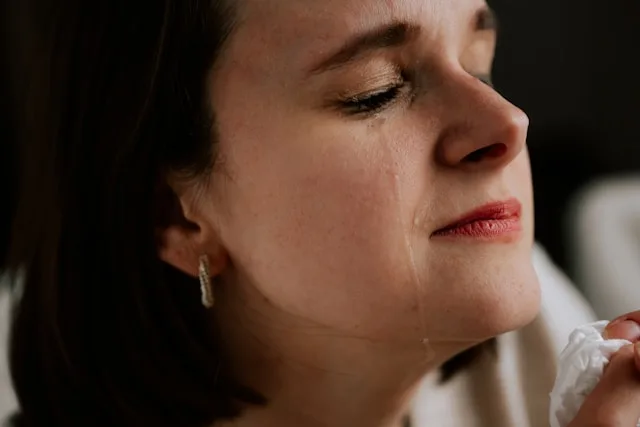
Emotional Healing: A Complete Guide
Emotional healing is the process of recovering from emotional wounds—the hurts, rejections, losses, and disappointments that leave lasting marks on your heart. It is not about eliminating emotions or becoming emotionless. It is about feeling deeply without being controlled by those feelings, about carrying pain without being defined by it, and about learning to respond to life from wisdom rather than woundedness.
77% of people report unresolved emotional wounds affecting their current relationships 6-12 months to see significant emotional healing progress with consistent practice 58% improvement in emotional regulation after engaging in healing workWhat Emotional Healing Really Is
Emotional healing is the work of processing, integrating, and releasing unresolved emotional pain. It involves facing feelings you have avoided, expressing emotions you have suppressed, and transforming wounds that have shaped your patterns and beliefs. Emotional healing does not make you immune to pain—it changes your relationship with pain so it no longer controls you. This process is deeply connected to emotional awareness and understanding your inner landscape.
Your emotional wounds are real, even if they are invisible. They shape how you see yourself, how you relate to others, and what you believe is possible. Emotional healing requires acknowledging these wounds, understanding where they came from, and actively working to repair them. This is not weakness—it is the courageous work of becoming whole.
Key InsightEmotional healing is not about thinking your way out of feelings—it is about feeling your way through them. You cannot intellectualize emotional wounds away. Healing requires actually experiencing and processing the emotions you have been avoiding. The only way out is through.
Table 1: Emotional Healing vs. Emotional Suppression
| Emotional Healing | Emotional Suppression |
|---|---|
| Feeling emotions fully and allowing them to move through you | Pushing emotions down, numbing, or pretending they do not exist |
| Understanding the root causes of emotional pain | Avoiding examination of why you feel what you feel |
| Expressing emotions in healthy, constructive ways | Bottling emotions until they explode or manifest as physical symptoms |
| Integrating painful experiences into your life story | Compartmentalizing or denying parts of your experience |
| Developing emotional resilience and regulation skills | Remaining emotionally fragile because wounds stay unaddressed |
| Leads to lasting relief and growth | Provides temporary relief but deepens wounds over time |
Common Emotional Wounds That Need Healing
Emotional wounds come from experiences where you were hurt, rejected, abandoned, betrayed, or made to feel unsafe. These wounds often form in childhood but can occur at any age. They create patterns that persist until you actively heal them. Understanding childhood trauma is often essential to recognizing these patterns.
The most common emotional wounds:
- Rejection Wound: Deep fear of being rejected; constant need for approval; difficulty being authentic.
- Abandonment Wound: Fear of being left; clinging or pushing people away; difficulty with trust and attachment.
- Betrayal Wound: Difficulty trusting; hypervigilance for signs of betrayal; control issues in relationships.
- Humiliation Wound: Deep shame about self; fear of being seen; perfectionism to avoid criticism.
- Injustice Wound: Rigid sense of fairness; difficulty accepting reality when it feels unfair; chronic resentment.
- Unworthiness Wound: Core belief you are not enough; self-sabotage; difficulty receiving love or success.
- Invisibility Wound: Feeling unseen and unheard; difficulty expressing needs; people-pleasing to be noticed.
Table 2: How Emotional Wounds Show Up in Daily Life
| Wound Type | Core Fear | Behavioral Pattern |
|---|---|---|
| Rejection | "I will be rejected for being myself" | Hiding true self, people-pleasing, avoiding vulnerability, needing constant validation |
| Abandonment | "Everyone I love will leave me" | Clinging to relationships, testing partners, pushing people away first, fear of being alone |
| Betrayal | "I cannot trust anyone; people will hurt me" | Difficulty trusting, controlling behavior, constant vigilance, emotional walls |
| Humiliation | "I will be shamed and humiliated" | Perfectionism, avoiding attention, self-sabotage before others can criticize, deep shame |
| Unworthiness | "I am not enough; I do not deserve good things" | Self-sabotage, difficulty receiving, overgiving to prove worth, imposter syndrome |
Signs You Have Unhealed Emotional Wounds
Unhealed emotional wounds do not stay in the past—they actively shape your present. They influence your relationships, your self-perception, and your choices. Recognizing the signs helps you understand what needs attention. Often these wounds manifest as emotional triggers in daily situations.
Table 3: Indicators of Unhealed Emotional Wounds
| Sign | What It Means |
|---|---|
| Emotional Triggers | Small situations provoke disproportionate emotional reactions; you respond to present as if it is past |
| Repetitive Relationship Patterns | You keep attracting the same type of person or recreating the same painful dynamics |
| Difficulty Regulating Emotions | Emotions feel overwhelming, out of control, or completely numb; no middle ground |
| Chronic Self-Criticism | Harsh inner voice constantly judges, criticizes, or attacks you; little self-compassion |
| Fear of Intimacy | Getting close to others feels dangerous; vulnerability triggers anxiety or withdrawal |
| Avoidance of Emotions | You stay busy, numb out, or use substances to avoid feeling difficult emotions |
| Physical Manifestations | Chronic tension, digestive issues, headaches, or illness with no clear medical cause |
If emotional wounds lead to persistent depression, anxiety disorders, self-harm, suicidal thoughts, inability to function, or substance abuse, professional mental health care is essential. Emotional healing work complements but does not replace clinical treatment when symptoms are severe. Resources like the Psychology Today guide to healing can help you understand when to seek professional support.
The Process of Emotional Healing
Emotional healing follows a general progression, though you may revisit stages multiple times. Understanding the process helps you know where you are and what you need next. This healing journey is unique for everyone.
Table 4: The Five Stages of Emotional Healing
| Stage | What Happens | Key Tasks |
|---|---|---|
| 1. Awareness | You recognize you have unhealed emotional wounds affecting your life | Notice patterns; connect current struggles to past wounds; acknowledge pain without shame |
| 2. Acceptance | You accept your emotional wounds are real and deserve attention and care | Stop minimizing; validate your experience; give yourself permission to heal |
| 3. Expression | You allow suppressed emotions to surface and be expressed safely | Feel emotions fully; cry, rage, grieve; express through writing, art, movement, or talking |
| 4. Understanding | You explore the origins of wounds and how they shaped your patterns | Connect past experiences to present patterns; understand protective mechanisms; develop insight |
| 5. Integration | You incorporate new understanding and ways of being into daily life | Change patterns; practice new responses; build emotional resilience; live from healing not wounding |
Essential Practices for Emotional Healing
Emotional healing requires active engagement. These practices help you access, process, and release emotional pain. Choose what resonates and commit to consistent practice. Many people find that learning emotional regulation skills accelerates their healing process.
Table 5: Core Emotional Healing Practices
| Practice | How It Heals | How to Do It |
|---|---|---|
| Emotional Expression | Releases what has been held inside; prevents emotional buildup | Journal, talk to trusted person, cry when needed, scream into pillow, creative expression |
| Inner Child Work | Heals wounds from childhood by giving your younger self what they needed | Dialogue with younger self; offer comfort, protection, validation; re-parent with compassion |
| Somatic Release | Emotions stored in body are released through physical practices | Yoga, breathwork, shaking, dancing, progressive muscle relaxation, somatic therapy |
| Feeling Practice | Builds capacity to feel emotions without being overwhelmed by them | Sit with emotion for 90 seconds; name it; locate it in body; breathe; allow it to move |
| Cognitive Reframing | Changes beliefs formed from emotional wounds | Identify limiting beliefs; challenge with evidence; replace with compassionate truth |
| Self-Compassion | Provides internal safety and kindness necessary for healing | Talk to yourself as you would a dear friend; acknowledge suffering; practice self-kindness |
| Boundary Setting | Prevents re-wounding; creates space for healing | Say no; limit toxic relationships; protect your emotional energy; honor your needs |
Building Your Emotional Healing Practice
Emotional healing is not a one-time event—it is an ongoing practice. These steps provide structure for your journey, but remember to be patient and compassionate with yourself throughout. The process of healing and letting go takes time and cannot be rushed.
The 7-Step Path to Emotional Healing
-
Acknowledge Your Emotional Wounds
Stop pretending you are fine. Name what hurts. Your emotional pain is real and deserves attention. Acknowledgment is not weakness—it is the foundation of healing.
-
Create Safe Space to Feel
You need physical and emotional safety to process difficult emotions. Find places, times, and people where you can feel without judgment. Therapy provides this container.
-
Feel Your Feelings Fully
Allow suppressed emotions to surface. Cry when you need to cry. Feel the anger, sadness, fear, or grief. Emotions need expression, not suppression. Let them move through you.
-
Understand Your Patterns
Explore how your wounds shaped your beliefs and behaviors. Connect your present struggles to past experiences. Understanding creates compassion and choice.
-
Challenge Wound-Based Beliefs
Identify beliefs formed from wounds: "I am not enough," "I am unlovable," "People will hurt me." Challenge these with compassionate truth. They are survival beliefs, not facts.
-
Practice New Responses
When old patterns arise, consciously choose different responses. This is difficult at first but becomes easier with practice. You are rewiring neural pathways.
-
Seek Support and Connection
Emotional healing happens in relationship. Find a therapist, support group, or trusted friends who can witness your process. You do not have to heal alone.
Start an Emotion Journal Today. Each day, write: "Today I feel ___ because ___." Name the emotion and explore its source. This simple practice builds emotional awareness and begins the healing process. Commit to 5 minutes daily.
Common Obstacles in Emotional Healing
Emotional healing is challenging work. You will encounter resistance, both internal and external. Understanding obstacles helps you navigate them without being stopped by them. Many people struggle with shame as a major barrier to healing.
- Fear of Being Overwhelmed: Worry that feeling emotions will be too much. Start small; feel in doses; build capacity gradually.
- Shame About Having Emotions: Believing emotions are weakness. Emotions are human, not shameful. Feeling is strength, not weakness.
- Lack of Emotional Vocabulary: Not knowing how to name what you feel. Learn emotion words; expand your vocabulary; get specific.
- Cultural or Family Messages: Being taught emotions are bad or should be hidden. Challenge these messages; your emotions are valid.
- Resistance from Protective Parts: Parts of you that do not want to feel. Understand they are trying to protect you; work with them gently.
- Impatience with Process: Wanting immediate healing. Emotional healing takes time; trust the gradual unfolding.
- Lack of Support: Others minimizing your feelings. Find people who validate emotions; consider therapy or support groups.
Frequently Asked Questions
How do I know if I am healing or just avoiding?
Healing involves facing and feeling emotions, even when uncomfortable. Avoidance keeps you busy, numb, or distracted to escape feelings. Ask: Am I moving toward discomfort or away from it? Am I feeling more or less over time? Healing increases emotional capacity; avoidance maintains limitations.
Can I heal emotional wounds without therapy?
Some emotional healing can happen through self-work—journaling, reading, support groups, and practices. However, deep wounds, childhood trauma, and complex patterns typically require professional guidance. Therapy accelerates healing and provides safety for processing what you cannot access alone. Use all available resources.
Why do old emotional wounds resurface years later?
Emotional wounds do not disappear just because time passes. They remain until actively healed. Life events, relationships, or transitions can trigger old wounds that were never fully processed. This is not regression—it is an opportunity to heal what was left unfinished. Your psyche brings it up when you are ready.
How long does emotional healing take?
It varies. Minor emotional hurts may heal in weeks or months. Deep wounds from childhood or significant trauma often require years of consistent work. Healing is not linear—you will have breakthroughs and setbacks. Focus on progress, not perfection. Trust your timeline, not someone else's expectations.
What if I do not know what I am feeling?
Emotional numbness or alexithymia (difficulty identifying emotions) is common after prolonged suppression. Start by noticing body sensations: tightness, heaviness, warmth. Use emotion wheels to expand vocabulary. Practice naming any feeling, even if uncertain. Capacity to feel and identify emotions builds with practice and often requires therapeutic support.
Is it normal to feel worse before feeling better?
Yes. Emotional healing often involves a temporary increase in distress as you access feelings you have been avoiding. This is progress, not regression. However, if you feel completely overwhelmed or unable to function, slow down and seek professional support. Healing should challenge you without breaking you. Pacing is crucial.
Remember: Emotional healing is not about eliminating emotions—it is about feeling them fully, expressing them healthily, and learning to carry them with wisdom rather than woundedness. Your emotions are not your enemy; they are messengers guiding you home to yourself.
Talk about emotional healing — with someone who gets it
Get matched one-to-one with a real person who chose the same topic. Free, anonymous, any time.
Keep reading: How to move on.
Ways to talk right now
Related topics
Conversation Matcher is not a therapy service. If you are in crisis, contact a crisis line: US 988 · UK & Ireland Samaritans 116 123 · NL 113 (0800-0113) · DE Telefonseelsorge 0800 111 0 111.