

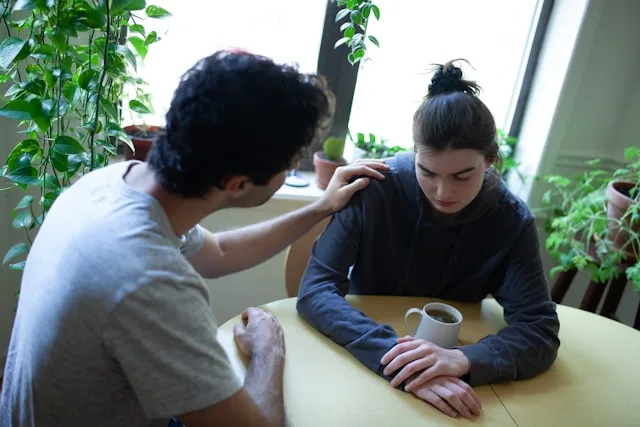
Breakup Recovery: A Complete Guide
Breakups are not just emotional events—they are neurological, physical, and identity-altering experiences. Your brain responds to the loss of a relationship the same way it responds to physical pain. The grief is real. The withdrawal is real. And the path forward, though difficult, is also real.
3-6 months is the average acute grief period after a serious breakup 11 weeks is the average time it takes to start feeling significantly better 40% of people experience clinical depression symptoms after a breakupWhat Breakup Recovery Really Is
Breakup recovery is not about forgetting someone or pretending they never mattered. It is about processing grief, rebuilding your identity, and learning to exist fully without them. Recovery means you can think about the relationship without spiraling. You can see their name without your chest tightening. You can imagine your future without them in it—and feel okay.
Recovery does not mean you stop caring. It means you stop being controlled by the loss. You reclaim your power, your peace, and your sense of self. You move from survival mode to living again.
Key InsightHealing is not linear. You will have good days and terrible days. Progress looks like fewer bad days over time—not the absence of pain. Some days you will feel strong. Other days you will cry in the shower. Both are part of recovery. Trust the process.
Table 1: What Breakup Recovery Is vs. What It Is Not
| Recovery IS | Recovery IS NOT |
|---|---|
| Accepting the relationship is over and grieving what you lost. | Pretending you never cared or forcing yourself to move on quickly. |
| Rebuilding your identity and rediscovering who you are without them. | Immediately jumping into a new relationship to avoid feeling the pain. |
| Learning from the relationship and using it to grow. | Obsessively analyzing every mistake or blaming yourself endlessly. |
| Feeling the pain fully so it can eventually pass. | Numbing out with distractions, substances, or avoidance. |
| Choosing yourself, your healing, and your future. | Waiting for your ex to come back or holding onto false hope. |
Why Breakups Hurt So Much
Breakups activate the same brain regions as physical pain. When you lose someone you loved, your brain experiences it as a threat to survival. You are not being dramatic. You are not weak. You are experiencing real neurological distress. Understanding how breakups impact mental health helps you recognize when grief crosses into clinical territory requiring professional support.
Beyond the brain chemistry, breakups shatter your sense of identity, future, and safety. You built a life around this person. You made plans. You intertwined your routines, dreams, and sense of self with theirs. When they leave, you lose more than a partner—you lose a version of your future and a piece of who you thought you were.
Table 2: The 4 Layers of Breakup Pain
| Layer | What You Lose |
|---|---|
| 1. The Person | You lose their presence, voice, touch, companionship. You miss who they were to you—your best friend, your confidant, your daily routine. |
| 2. The Future | You lose the life you imagined together. The plans, dreams, and milestones you expected to share. Your mental timeline collapses. |
| 3. Your Identity | You lose the version of yourself that existed in the relationship. "We" becomes "I." You must rediscover who you are alone. Rebuilding your self-image after a relationship ends is a crucial part of recovery. |
| 4. Your Safety | You lose your sense of emotional security. If this relationship failed, what does that mean about you, love, or your ability to be loved? |
The 5 Stages of Breakup Grief
Breakup grief follows the same emotional arc as other forms of loss. You will not move through these stages in order. You will cycle back. You will feel multiple stages in one day. This is normal. Grief is not a straight line. Understanding the difference between grief and clinical depression helps you know when to seek additional support.
Table 3: The 5 Stages Explained
| Stage | What It Feels Like | What Helps |
|---|---|---|
| Denial | "This can't be real. They'll come back. This is just a fight." You feel numb, disconnected, or in shock. | Let yourself process slowly. Don't force acceptance. Give yourself time to absorb the reality. |
| Anger | "How could they do this? I hate them. I hate myself. This isn't fair." Rage, blame, and resentment surge. | Channel anger into physical activity. Journal. Scream into a pillow. Anger is energy—move it through your body. |
| Bargaining | "If I just change this, they'll come back. Maybe if I reach out one more time." You replay scenarios, seeking control. | Recognize bargaining as a way to avoid grief. Remind yourself: you cannot control another person's choices. |
| Depression | Deep sadness, emptiness, exhaustion. "I'll never feel okay again. What's the point?" Hopelessness settles in. | Seek support. Therapy helps. Let yourself cry. Rest. Depression is where the deepest healing begins. |
| Acceptance | "This happened. It hurts, but I will be okay." You begin to imagine a future without them. Peace starts to return. | Acceptance comes and goes. Celebrate small moments of peace. Keep moving forward, even when it feels slow. |
The Mistakes That Keep You Stuck
Most people unknowingly sabotage their own recovery. These patterns feel like coping, but they prolong pain and prevent healing. Recognize them. Choose differently.
Common recovery traps:
- Staying in contact too soon. Texting, checking their social media, or staying friends before you've healed keeps the wound open.
- Obsessively analyzing what went wrong. Replaying conversations and blaming yourself keeps you stuck in the past.
- Jumping into a rebound relationship. Using someone else to numb the pain delays real healing and often creates more hurt.
- Isolating yourself completely. Cutting off all support and withdrawing deepens depression and loneliness. The profound feeling of being alone during recovery can be overwhelming, making connection essential.
- Waiting for closure from your ex. Closure comes from within. You will never get the perfect explanation or apology you want.
- Romanticizing the relationship. Remembering only the good parts keeps you longing for something that wasn't real.
- Rushing the process. Healing takes time. Forcing yourself to "get over it" creates shame and delays recovery.
If you are experiencing suicidal thoughts, self-harm urges, or cannot function, seek professional help immediately. Breakup grief can trigger clinical depression. There is no shame in needing support. Crisis lines, therapists, and support groups exist for this exact reason. You do not have to suffer alone.
The No-Contact Rule: Why It Matters
No-contact means no texting, calling, social media stalking, or "checking in." It is not punishment. It is protection. Every time you reach out or look at their life, you reset your healing. You reopen the wound. No-contact gives your brain the space it needs to detach and recover.
Table 4: What No-Contact Does for You
| Benefit | How It Helps |
|---|---|
| Breaks the Addiction Cycle | Your brain is addicted to your ex like a drug. No-contact is withdrawal. It hurts at first, but it allows your brain chemistry to reset. |
| Stops False Hope | Every interaction keeps you hoping they'll change their mind. No-contact forces you to accept reality and move forward. |
| Protects Your Self-Respect | Chasing someone who left you erodes your dignity. No-contact preserves your self-worth and puts you back in control. |
| Allows Identity Reconstruction | You cannot rebuild yourself while still orbiting their life. No-contact gives you space to rediscover who you are without them. |
| Speeds Up Healing | Studies show no-contact significantly reduces recovery time. Distance accelerates emotional detachment and peace. When nighttime loneliness hits hardest, maintaining no-contact protects your progress. |
How long? Minimum 30 days. Ideally 60-90 days. For some, permanent no-contact is healthiest. If they were toxic, abusive, or manipulative, never break no-contact. Your healing is more important than closure or friendship.
How to Actually Heal
Healing requires action. You cannot think your way out of grief. You must feel it, process it, and actively build a new life. These strategies are evidence-based and effective—but only if you do them consistently.
Table 5: Evidence-Based Healing Strategies
| Strategy | Why It Works |
|---|---|
| Feel Your Feelings Fully | Suppressing emotions prolongs pain. Cry. Scream. Journal. Let the grief move through you instead of staying stuck inside. |
| Move Your Body Daily | Exercise releases endorphins, reduces stress hormones, and breaks rumination cycles. Even a 20-minute walk helps. |
| Talk to Someone Who Gets It | Therapy, support groups, or trusted friends help you process emotions and gain perspective. Isolation worsens depression. |
| Reconnect with Yourself | Rediscover hobbies, passions, and friendships you neglected. Rebuild the life you had before them—or create a new one. This is where self-improvement becomes your most powerful tool. |
| Challenge Negative Thoughts | Your brain lies during grief. "I'll never find love again" is not true. Cognitive reframing reduces despair and builds resilience. |
| Create New Routines | Old routines trigger memories. Build new patterns that don't include them. New coffee shop. New route to work. New evening ritual. |
The 7-Step Recovery Plan
-
Accept That It's Over
Stop bargaining. Stop hoping. The relationship ended. Acceptance does not mean approval—it means acknowledging reality so you can move forward.
-
Go No-Contact Immediately
Block, unfollow, delete their number. Remove triggers. Protect your healing space. No exceptions for at least 30 days.
-
Grieve Without Shame
Cry as much as you need. Talk about it. Write about it. Let the pain exist without judging yourself for feeling it.
-
Reconnect with Your Support System
Reach out to friends and family. Join a support group. See a therapist. You are not meant to heal alone.
-
Rebuild Your Identity
Who are you without them? What do you enjoy? What do you value? Rediscover yourself through hobbies, passions, and new experiences.
-
Learn from the Relationship
What worked? What didn't? What do you need in future relationships? Growth comes from reflection, not blame.
-
Build a Life You Love
Focus on your goals, health, friendships, and passions. Create a life so fulfilling that your ex becomes a small chapter, not the whole story.
Write a letter to your ex—but don't send it. Pour out everything you wish you could say. Then burn it, shred it, or delete it. This exercise gives you closure without reopening contact. You deserve to release what you're carrying.
When You'll Know You're Healing
Healing is not a destination—it is a process. You will not wake up one day completely over it. But slowly, you will notice shifts. The pain becomes less sharp. The memories lose their power. You start to feel like yourself again.
Signs you are healing: You can think about them without crying. You stop checking their social media. You feel excited about your own life again. You go hours—then days—without thinking about them. You stop wanting them back. You recognize red flags you couldn't see before. You feel grateful for the lesson, not bitter about the loss.
Frequently Asked Questions
How long will it take to get over this breakup?
There is no universal timeline. On average, people start feeling significantly better after 11 weeks, but full recovery can take 6 months to 2 years depending on the length, intensity, and circumstances of the relationship. Healing is not linear. Focus on progress, not perfection.
Should I stay friends with my ex?
Not immediately. Friendship is only possible after both people have fully healed, moved on, and no longer have romantic feelings. Attempting friendship too soon keeps you emotionally attached and delays recovery. Wait at least 6 months to a year before considering it.
What if I keep thinking about getting back together?
This is normal, especially in the early stages. Your brain is in withdrawal and craves the person like a drug. Recognize these thoughts as part of grief, not truth. Remind yourself why it ended. Journal about the relationship's problems. Over time, the thoughts will fade.
Is it okay to date someone new right away?
Rebound relationships rarely work and often delay healing. You need time to process grief, rebuild your identity, and understand what you want. Wait until you feel whole on your own before inviting someone new into your life. Healing first, dating second.
What if my ex reaches out during no-contact?
Do not respond unless it is a true emergency. Most exes reach out because they miss the comfort, not because they want to reconcile. Responding resets your healing. Protect your peace. If they truly want you back, they can wait until you are ready.
How do I stop stalking their social media?
Block them. Unfollow them. Delete the apps if you must. Every time you check their profile, you reopen the wound. Use browser blockers or accountability apps if needed. Replace the habit: when you feel the urge, text a friend, go for a walk, or journal instead.
Remember: You are not broken. You are not unlovable. You are healing from a real loss. One day, you will look back and realize this breakup was not the end of your story—it was the beginning of a better one.
Talk about breakup recovery — with someone who gets it
Get matched one-to-one with a real person who chose the same topic. Free, anonymous, any time.
Keep reading: How to get over a breakup · How to Deal With Loneliness After a Breakup.
Ways to talk right now
Related topics
Conversation Matcher is not a therapy service. If you are in crisis, contact a crisis line: US 988 · UK & Ireland Samaritans 116 123 · NL 113 (0800-0113) · DE Telefonseelsorge 0800 111 0 111.