

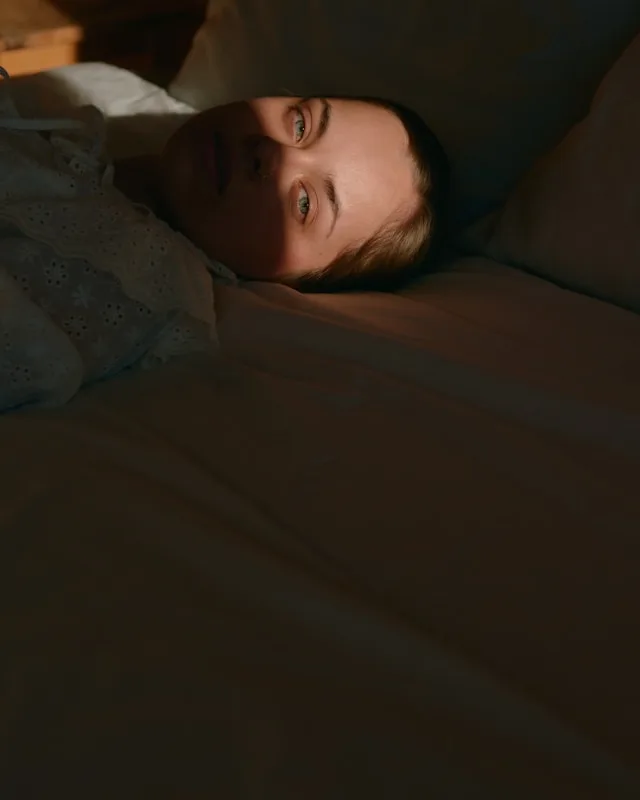
Understanding Anxiety at Night: A Complete Guide
Night anxiety is the experience of heightened worry, fear, or panic when the world goes quiet and you are left alone with your thoughts. It is the racing mind at bedtime, the chest tightness in the dark, the dread that builds as evening approaches. Night anxiety is not weakness—it is your nervous system responding to the absence of distraction and the presence of unprocessed emotion.
54% of people with anxiety report symptoms worsening at night 68% of individuals with nighttime anxiety experience sleep disruption 3-5x Higher risk of chronic insomnia with untreated nighttime anxietyWhy Anxiety Gets Worse at Night
Night anxiety intensifies because nighttime removes the distractions that help you avoid uncomfortable thoughts and feelings during the day. Your body winds down. Your mind does not. Without external stimulation, your brain turns inward and finds unresolved fears, worries, and what-ifs waiting for attention.
Your nervous system also functions differently at night. Cortisol levels naturally drop in the evening, which can trigger anxiety in people whose stress response is dysregulated. The darkness, silence, and solitude activate a primal fear response in some individuals. Your brain interprets the quiet as danger, especially if you have experienced trauma or chronic stress.
Key InsightNight anxiety is often not about the night—it is about what you have been avoiding all day. During the day, work, screens, social interaction, and movement keep your mind occupied. At night, those defenses disappear, and your unprocessed emotions demand attention. Your anxiety is not irrational—it is information.
Table 1: Normal Evening Wind-Down vs. Night Anxiety
| Feature | Normal Evening Transition | Night Anxiety |
|---|---|---|
| Thoughts | Thoughts slow down naturally as the body relaxes. | Thoughts speed up, spiral, or become intrusive and repetitive. |
| Physical Sensations | Body feels tired, muscles relax, breathing deepens. | Heart races, chest tightens, breathing becomes shallow or rapid. |
| Emotional State | Feeling calm, neutral, or mildly reflective. | Feeling dread, fear, panic, or overwhelming worry. |
| Sleep Onset | Falls asleep within 15-30 minutes of lying down. | Takes 1+ hours to fall asleep, or cannot fall asleep at all. |
The Six Types of Night Anxiety
Night anxiety shows up in different forms, each with its own triggers and patterns. Recognizing your specific type helps you address the root cause rather than just managing symptoms.
Table 2: The Six Types of Night Anxiety
| Type | Description |
|---|---|
| 1. Anticipatory Anxiety | You dread the next day before it even begins. Your mind rehearses worst-case scenarios about work, social interactions, or responsibilities. This type often stems from perfectionism or past experiences of failure or criticism. |
| 2. Rumination Anxiety | You replay past conversations, mistakes, or embarrassing moments over and over. Your brain cannot let go of what already happened. This type is linked to shame, regret, and the need for control or closure. |
| 3. Existential Anxiety | At night, you confront big, unanswerable questions: What is the point? Am I wasting my life? What happens when I die? This type surfaces when your daily life lacks meaning or when you have avoided deeper reflection. |
| 4. Sleep Performance Anxiety | You become anxious about whether you will be able to fall asleep, which makes it harder to sleep. The fear of not sleeping becomes the barrier to sleep. This often develops after a period of insomnia or high stress. |
| 5. Panic-Based Night Anxiety | You experience sudden, intense panic attacks at night—rapid heartbeat, shortness of breath, a sense of impending doom. This can happen even without an obvious trigger and may be linked to trauma or a highly activated nervous system. |
| 6. Hypervigilance Night Anxiety | You feel unsafe at night. Every sound feels like a threat. You cannot relax because your nervous system is on high alert. This is common in individuals with trauma, PTSD, or chronic stress. |
What Drives Night Anxiety
Night anxiety does not appear randomly. It has biological, psychological, and environmental causes that interact with each other. Understanding what fuels your nighttime worry helps you interrupt the cycle.
Table 3: Contributors to Night Anxiety
| Category | Common Triggers |
|---|---|
| Biological Factors | Dysregulated cortisol rhythms, low serotonin or GABA, sleep disorders, chronic pain, hormonal imbalances, caffeine or alcohol use. |
| Psychological Factors | Unprocessed emotions, trauma, chronic stress, perfectionism, fear of vulnerability, lack of emotional regulation skills. |
| Environmental Factors | Overstimulation before bed (screens, work emails, intense conversations), lack of bedtime routine, unsafe sleeping environment, irregular sleep schedule. |
| Lifestyle Factors | Lack of physical activity, poor diet, social isolation, overwork, avoidance of daytime emotional processing. |
Night anxiety creates a vicious cycle: anxiety disrupts sleep, poor sleep worsens anxiety, worsening anxiety makes sleep harder. Breaking this cycle requires addressing both the anxiety and the sleep disruption simultaneously. You cannot wait for anxiety to disappear before improving sleep—you must work on both at once.
How Night Anxiety Affects Your Life
Chronic night anxiety does not stay confined to nighttime. It bleeds into every area of your life, affecting your energy, mood, relationships, and ability to function during the day.
Table 4: The Ripple Effects of Chronic Night Anxiety
| Area of Life | Impact |
|---|---|
| Sleep Quality | Difficulty falling asleep, frequent waking, unrefreshing sleep, chronic exhaustion. |
| Mental Health | Increased risk of depression, worsening anxiety disorders, low frustration tolerance, emotional dysregulation. |
| Physical Health | Weakened immune system, increased inflammation, higher risk of cardiovascular issues, chronic fatigue. |
| Cognitive Function | Impaired memory, reduced focus and concentration, difficulty making decisions, slower reaction time. |
| Relationships | Irritability with loved ones, withdrawal from social connection, difficulty being present, increased conflict. |
| Work Performance | Reduced productivity, more mistakes, difficulty meeting deadlines, presenteeism (physically present but mentally absent). |
What Your Night Anxiety Is Telling You
Night anxiety is not random noise. It is a signal. Your nervous system is trying to tell you something important—something you may be ignoring during the day. The questions you ask yourself at night reveal what needs attention.
Table 5: Decoding Your Nighttime Worries
| What You Worry About | What It May Really Mean |
|---|---|
| "I have so much to do tomorrow." | You are overwhelmed and have not set realistic boundaries or priorities. You may feel out of control in your life. |
| "I said something stupid today." | You fear judgment or rejection. You may hold yourself to impossible standards or struggle with self-compassion. |
| "What if something bad happens?" | You feel unsafe in the world or lack trust in your ability to handle uncertainty. This may be linked to trauma or chronic stress. |
| "I can't sleep—I need to sleep." | You are trying to control something uncontrollable, which increases anxiety. You may lack tools for tolerating discomfort. |
| "Am I wasting my life?" | You are disconnected from your values or purpose. You may be living on autopilot or according to others' expectations. Learn more about finding meaning. |
| "I can't stop thinking about [specific event]." | You have unresolved emotions or unfinished business related to that event. Your mind needs closure or processing. |
Strategies for Calming Night Anxiety
Managing night anxiety requires both immediate calming techniques for acute episodes and long-term strategies that address the root causes. You need tools for tonight and tools for transformation.
Table 6: Immediate Calming Techniques for Night Anxiety
| Technique | How It Works |
|---|---|
| 4-7-8 Breathing | Inhale for 4 counts, hold for 7, exhale for 8. This activates the parasympathetic nervous system and slows your heart rate within minutes. |
| Progressive Muscle Relaxation | Tense and release each muscle group from toes to head. This releases physical tension and gives your mind something to focus on besides anxious thoughts. |
| The 5-4-3-2-1 Grounding Technique | Name 5 things you see, 4 you can touch, 3 you hear, 2 you smell, 1 you taste. This pulls you out of your mind and into the present moment. |
| Worry Dump Journaling | Write down every worry without filtering or solving. This externalizes the thoughts and signals to your brain that you have captured them for later. |
| Bilateral Stimulation | Tap alternately on your knees or shoulders, or move your eyes side to side. This helps process stuck emotions and calm hyperarousal. |
| Safe Place Visualization | Imagine a place where you feel completely safe and calm. Engage all five senses in the visualization. This shifts your nervous system out of threat mode. |
The 10-Step Plan for Overcoming Night Anxiety Long-Term
-
Process Emotions During the Day
Do not wait until night to deal with stress. Set aside 10-15 minutes daily to journal, talk to someone, or sit with your feelings. Unprocessed emotions always surface at night.
-
Create a Worry Window
Schedule 15 minutes each day (ideally early evening) to deliberately worry. Write down every concern. When worries arise at night, remind yourself you will address them during your worry window.
-
Establish a Calming Evening Ritual
Start winding down 1-2 hours before bed. Dim lights, avoid screens, do something soothing (reading, gentle stretching, warm bath). Consistency signals to your brain that it is time to rest.
-
Limit Stimulants and Alcohol
Cut caffeine after 2pm. Avoid alcohol in the evening—it disrupts sleep architecture and increases nighttime waking. Both worsen anxiety over time.
-
Challenge Catastrophic Thinking
When your mind spirals into worst-case scenarios, ask: "What is the evidence this will happen? What is more likely to happen? What would I tell a friend in this situation?" This interrupts the spiral.
-
Practice Sleep Hygiene Without Obsessing
Keep your bedroom cool, dark, and quiet. Use your bed only for sleep and intimacy. But do not turn sleep into a performance—perfectionism about sleep creates more anxiety.
-
Move Your Body During the Day
Physical activity regulates cortisol, reduces baseline anxiety, and improves sleep. Aim for at least 20-30 minutes of movement daily, but not within 3 hours of bedtime.
-
Address Underlying Issues
If your night anxiety is rooted in trauma, unresolved grief, chronic stress, or existential concerns, you need more than bedtime techniques. Seek therapy or deep support.
-
Build a Sense of Safety
If hypervigilance is the issue, work on creating a sense of safety. Lock doors, use white noise, keep a light on if needed. Your brain needs to know it is safe before it can rest.
-
Let Go of Sleep Perfectionism
One bad night will not ruin you. Anxiety about not sleeping is worse than the lack of sleep itself. Accept that some nights will be hard, and trust your body to recover.
Start with one small change tonight. Pick one calming technique and one long-term strategy. Do not try to fix everything at once. Small, consistent actions create lasting change. If night anxiety persists despite your efforts, reach out for professional support—you do not have to navigate this alone.
Recognizing Your Night Anxiety Patterns
Notice if these patterns show up for you:
- Your mind races as soon as your head hits the pillow.
- You dread going to bed because you know you will not be able to sleep.
- You replay the same worries or scenarios over and over each night.
- You feel physically restless—tossing, turning, unable to get comfortable.
- You wake up in the middle of the night with a racing heart or sense of panic.
- You feel exhausted all day but wired at night.
- You avoid going to bed because it feels like the hardest part of your day.
Frequently Asked Questions
Why does my anxiety feel so much worse at night than during the day?
At night, you lose the distractions that keep anxiety at bay during the day—work, screens, social interaction. Your nervous system shifts into rest mode, which can paradoxically activate unprocessed stress. The quiet and darkness also trigger primal fear responses in some people, especially those with trauma or chronic stress.
Is night anxiety the same as insomnia?
Not exactly. Insomnia is the inability to fall or stay asleep. Night anxiety is the emotional and physiological experience of heightened worry or fear at night, which often causes insomnia. You can have insomnia without anxiety, but night anxiety almost always disrupts sleep.
Can medication help with night anxiety?
Medication can be helpful for some individuals, especially in the short term or when night anxiety is severe. SSRIs, benzodiazepines, and sleep aids are options. However, medication works best when combined with therapy and lifestyle changes. Consult a psychiatrist to explore what is right for you.
What should I do if I wake up in the middle of the night with anxiety?
Do not fight it or try to force yourself back to sleep. Get out of bed and do something calming—read, stretch, practice breathing exercises. Return to bed only when you feel drowsy. Lying in bed anxious trains your brain to associate bed with anxiety rather than rest. Learn more about waking up anxious.
Is it normal for night anxiety to happen even when my life is going well?
Yes. Night anxiety is not always about current life stressors. It can be rooted in past trauma, biological factors like cortisol dysregulation, or existential concerns that surface when your mind is quiet. You do not need a "reason" for night anxiety—it is a nervous system response, not a logical one.
How do I know if my night anxiety needs professional help?
Seek professional help if night anxiety persists for more than a few weeks, significantly impacts your daily functioning, leads to chronic sleep deprivation, or is accompanied by panic attacks, depression, or thoughts of self-harm. A therapist can help you address the root causes and develop effective coping strategies.
Can lifestyle changes really make a difference with night anxiety?
Absolutely. Exercise, stress management, emotional processing, and sleep hygiene have strong evidence for reducing anxiety and improving sleep. While they may not completely eliminate night anxiety, especially if it is trauma-based or biologically driven, they significantly reduce symptom severity and frequency.
Remember: Night anxiety is not a character flaw. It is a signal that your nervous system needs support, your emotions need processing, or your life needs adjustment. With the right tools and support, you can reclaim your nights and your rest.
Talk about anxiety at night — with someone who gets it
Get matched one-to-one with a real person who chose the same topic. Free, anonymous, any time.
Keep reading: How to deal with anxiety · How to Talk to Someone About Anxiety Without Making It Worse.
Ways to talk right now
Related topics
Conversation Matcher is not a therapy service. If you are in crisis, contact a crisis line: US 988 · UK & Ireland Samaritans 116 123 · NL 113 (0800-0113) · DE Telefonseelsorge 0800 111 0 111.